

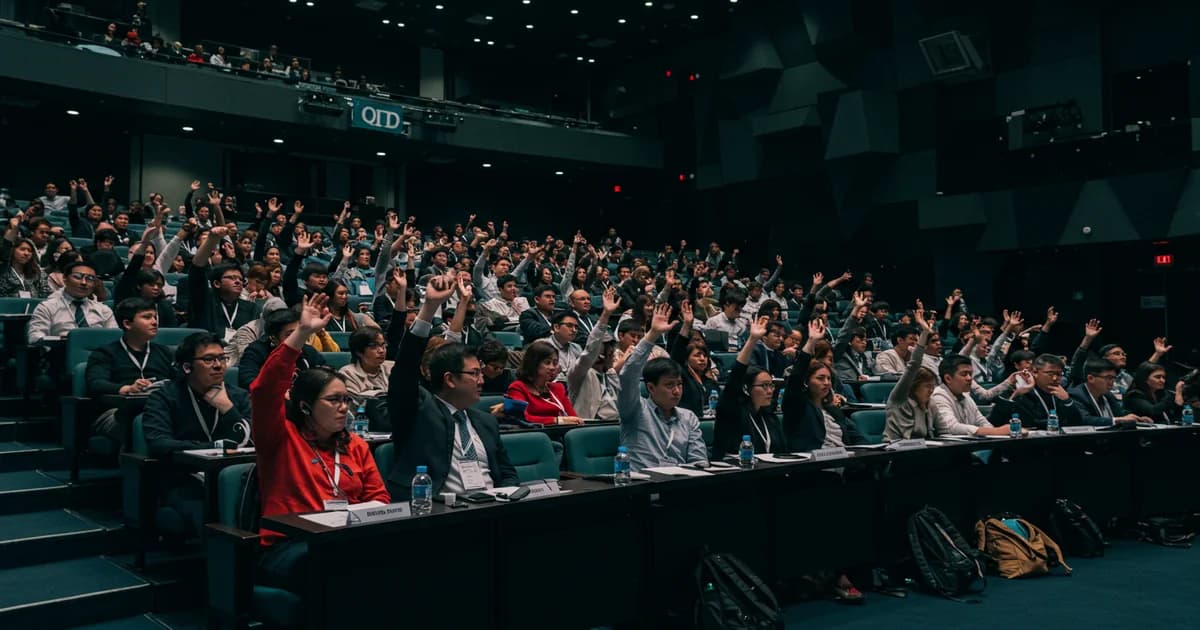
You’ve done it. The keynote was a hit, the energy in the room is buzzing, and now it’s time for the most interactive part of your event: the Q&A. But as hands go up, a familiar sense of dread creeps in. Your audience is global, with attendees speaking German, French, and Mandarin. How do you handle questions in multiple languages without the session descending into a chaotic, time-consuming mess?
Managing multilingual Q&A is more than a logistical problem—it’s an inclusivity challenge. Get it wrong, and you alienate a huge portion of your audience. Get it right, and you create a truly memorable and engaging experience where every single person feels seen and heard.
This guide is your playbook. We’ll break down the traditional methods, introduce modern tech-driven workflows, and give you a step-by-step plan for your next virtual, hybrid, or in-person event.
Why Your Q&A Session is the Most Critical Part of Your Multilingual Event
Think about the events you remember most. It’s rarely the one-way presentation that sticks with you. It’s the interactive moments, the unscripted questions, and the direct connection with the speakers. The Q&A session is where passive listening turns into active participation. For multilingual events, this is your moment to prove that you value every voice in the room.
Recent studies show that attendee engagement is a top priority—and a top challenge—for event organizers. One-third of event planners rely on Q&A sessions to keep attendees focused. And with hybrid events becoming the norm—a market expected to reach over $10 billion by 2032—the need to engage both physical and virtual attendees across different languages has never been greater.
Failing to plan for multilingual questions and answers sends a clear message: only some voices matter. Attendees who can't understand the questions or answers will tune out. Worse, those who want to ask a question but can’t will feel excluded. Research shows that over 70% of people prefer to consume content in their native language, even if they have a working knowledge of English. An effective multilingual Q&A strategy isn't just a "nice-to-have"; it's fundamental to your event's success and ROI.
Method 1: The Consecutive Interpretation Approach
This is the old-school way of managing multilingual Q&A, and it’s what many people picture when they think of interpretation.
Here’s how it works:
- An attendee asks a question in their language.
- Everyone waits.
- The consecutive interpreter translates the question out loud for the speaker and the rest of the audience.
- The speaker gives their answer.
- Everyone waits again.
- The interpreter translates the answer back to the attendee’s language.
It’s simple, and it doesn’t require much technology. But it’s loaded with problems.
The most obvious issue is time. This stop-and-start process at least doubles the length of your Q&A, meaning you get through half the questions. The constant pausing disrupts the natural flow of conversation, causing the rest of the audience to lose focus.
Then there's the cognitive load on the interpreter. They have to listen to a long question, take frantic notes, and then recall it perfectly—all while capturing the speaker's original tone and intent. This heavy reliance on memory can lead to inaccuracies, especially with complex or technical topics. The result is often a clunky, slow, and disengaging experience for everyone.
Method 2: Using Technology for Real-Time Question Translation
So, what’s the alternative? Modern interpretation platforms have completely changed the game for interactive multilingual sessions. Instead of the slow, turn-based consecutive method, you can use a browser-based platform to provide real-time, simultaneous interpretation.
Here’s the modern workflow:
- Attendees join the event and scan a simple QR code with their phones. No apps to download, no hardware to rent.
- They select their preferred language and listen to the entire event—presentations and Q&A—through their own device and earbuds.
- When the Q&A starts, they can ask a question in two ways:
* Text-based: They type their question into the platform in their own language. It instantly appears on the moderator’s screen, already translated into the event's primary language.
* Verbal: They step up to a microphone and ask their question. The simultaneous interpreter instantly translates it for the speaker and the entire audience, who hear it in their chosen languages without delay.
- The speaker answers, and their answer is also interpreted in real-time for everyone.
This approach solves the biggest problems of consecutive interpretation. It’s fast, fluid, and incredibly inclusive. There’s no more awkward waiting. No more risk of an entire room disengaging while one person gets their translation. Everyone participates in the same conversation at the same time. Plus, these platforms often include live captions, adding another layer of accessibility.
This technology transforms the Q&A from a logistical hurdle into a dynamic and powerful part of your event. Platforms designed for this make the process incredibly smooth. If you're curious about how this feels in practice, it’s worth seeing a demo to understand the flow firsthand. For event organizers, this is the key to unlocking genuine audience participation.
How to Brief Your Moderator and Interpreters for a Smooth Q&A
Your technology is only as good as the people using it. A successful multilingual Q&A depends on clear communication and preparation among your moderator, interpreters, and speakers.
Briefing Your Moderator:
A great moderator guides the conversation, keeps the energy up, and ensures everything runs on schedule. In a multilingual setting, their role is even more crucial.
- Establish the Workflow: Before the event, walk them through the Q&A technology. Show them how they’ll receive translated text questions and explain the process for live verbal questions.
- Encourage Clarity: Remind the moderator to speak clearly and at a moderate pace. This helps both the interpreters and the attendees.
- Maintain Eye Contact: Advise the moderator to look at the person asking the question, not the interpreter. This creates a more natural and respectful connection.
- Stay Neutral: The moderator's job is to facilitate, not to comment on the questions or answers. Their neutrality ensures the focus remains on the panelists and the audience.
Briefing Your Interpreters:
Professional interpreters are masters of their craft, but they aren't mind readers. The more context you give them, the better they can perform.
- Provide Materials in Advance: At least a few days before the event, send them the presentation slides, speaker bios, and a glossary of any technical terms or acronyms. This preparation is vital for accuracy.
- Explain the Q&A Format: Let them know how the Q&A will be managed. Will it be text-based, verbal, or a mix? Who is the moderator? What platform are you using?
- Ensure Clean Audio: The golden rule of interpretation is "garbage in, garbage out." The interpreters need a crystal-clear audio feed from the main speakers and any audience microphones. A dedicated tech check is non-negotiable.
Step-by-Step Workflow for Virtual, Hybrid, and In-Person Events
Ready to put it all together? Here’s a practical workflow for managing multilingual Q&A no matter your event format.
Pre-Event Steps:
- Define Your Language Needs: Research your audience to identify the primary languages you'll need to support.
- Choose Your Interpretation Method: Decide between the traditional consecutive approach or a modern simultaneous interpretation platform. For engagement and efficiency, a technology-based solution is almost always the better choice.
- Book Your Talent: Secure professional interpreters who are experienced in your event's subject matter.
- Set Up Your Tech: If using an interpretation platform, get your event set up. Good platforms are 100% browser-based and can be configured in under 30 minutes. You’ll generate a unique QR code for attendees to access the audio channels.
- Conduct a Briefing: Hold a pre-event call with your moderator, speakers, and interpreters to run through the agenda and the Q&A workflow.
During the Event (The Q&A Session):
- Instruct Your Audience: At the beginning of the event and again before the Q&A, the moderator should clearly explain how to access the interpretation and how to ask questions.
* For In-Person & Hybrid: "Please scan the QR code at your seat to access the audio interpretation on your smartphone. You can listen in your preferred language using your own headphones. To ask a question, please use the Q&A tab in the event portal or approach the microphone in the aisle."
* For Virtual: "Please select your desired language from the dropdown menu in the bottom right of your screen. You can type your questions into the Q&A box at any time."
- Moderator Manages the Queue: The moderator views incoming text questions—already translated—and weaves them into the discussion. For verbal questions, they direct the flow of traffic to the microphones.
- Experience the Flow: An attendee asks a question. The interpreter delivers it simultaneously. The speaker answers. The interpreter relays that answer simultaneously. It’s a seamless, real-time conversation that keeps everyone engaged. This kind of interactive multilingual session is what sets world-class events apart. Curious? You can See How It Works.
Don’t let language barriers silence your audience. By moving beyond outdated methods and embracing modern, user-friendly technology, you can create a Q&A session that is as dynamic and diverse as your attendees. It’s time to make sure every question can be asked and every voice can be heard.
FAQs: Handling Questions in Multiple Languages
How do you handle Q&A in a bilingual meeting?
For a bilingual meeting, the most efficient method is using a simultaneous interpretation platform. Attendees listen in their preferred language on their own devices. When someone asks a question, it's interpreted in real-time for everyone, so the conversation flows without the stop-start pace of consecutive interpretation.
What is the best way to manage questions from a multilingual audience?
The best way is to use a dedicated platform that offers both simultaneous audio interpretation and real-time question translation. This allows attendees to listen and ask questions in their native language without disrupting the event's flow. A moderator can manage a queue of text-based questions that are automatically translated for them.
How can I make my Q&A session more inclusive?
To make your Q&A more inclusive, provide simultaneous interpretation so everyone can follow along in their own language. Use a system that allows attendees to submit questions via text, which helps those who may not be comfortable speaking in public. Including live captions also enhances accessibility for everyone.
Do I need special equipment for conference interpretation?
Not anymore. Traditional interpretation required hardware like soundproof booths, receivers, and headsets. Modern platforms are browser-based, meaning attendees can use their own smartphones and headphones to listen. This eliminates the cost and logistics of hardware and makes setup significantly easier.
Related Articles
Hybrid Event Interpretation: A Complete Technical & Logistics Guide
Zoom Interpretation: How to Go Beyond Zoom's Basic Feature
Simultaneous Interpretation for Webinars: Everything You Need to Know
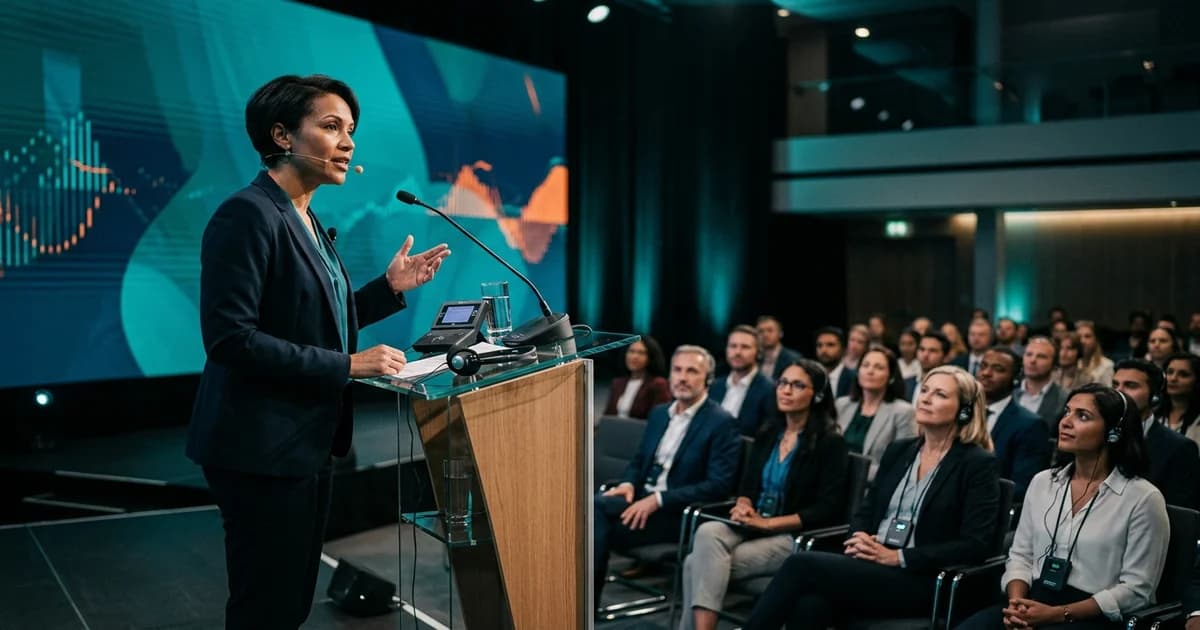
Speaker's Guide: How to Present at a Multilingual Event
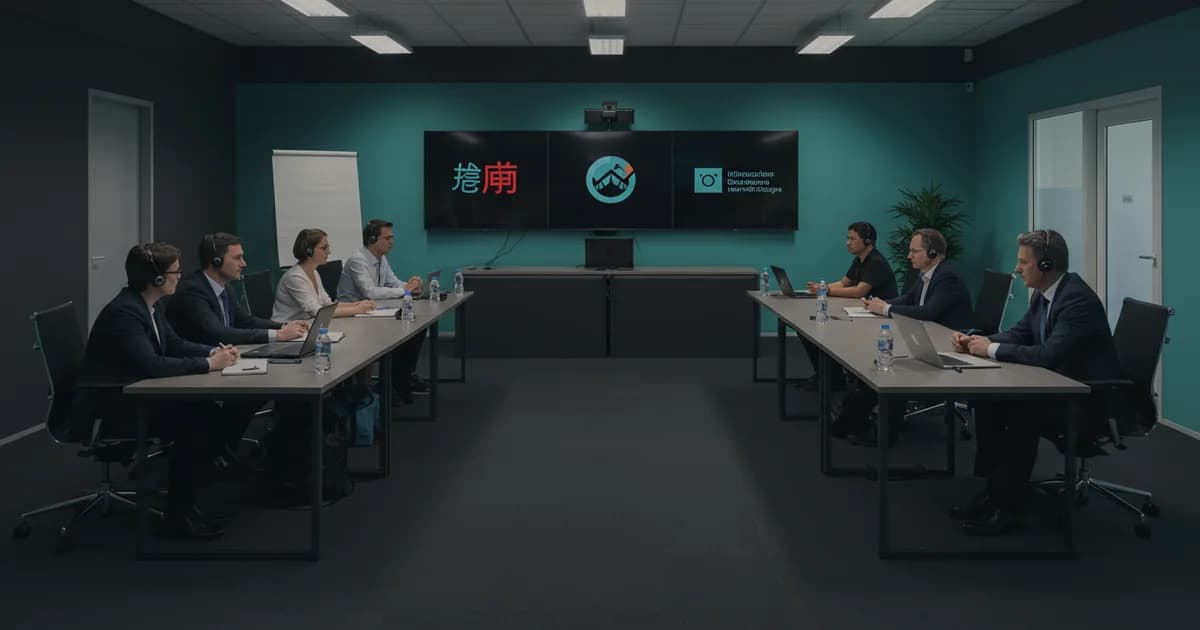
Beyond the Basics: How to Run a Truly Inclusive Multilingual Town Hall

How to Integrate Browser-Based Interpretation Into Your Event Tech Stack