

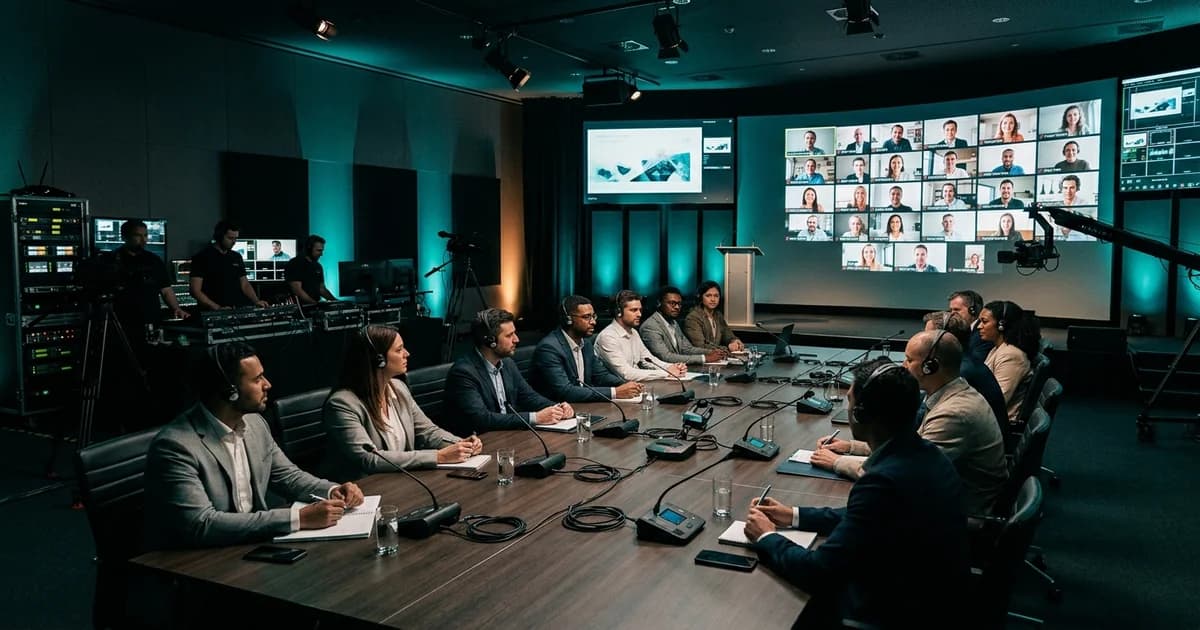
You’ve got two audiences, but you need to create one conversation.
That's the core challenge of any multilingual hybrid event. Your in-person attendees are in the room, engaged and ready. Your remote attendees are spread across the globe, watching on their screens. How do you provide flawless, real-time language interpretation for both groups without the technical setup becoming a complete nightmare?
It’s easier than you think. But it requires a different approach.
Forget the hardware-heavy, complex systems of the past. Modern hybrid event interpretation is about smart, flexible software that works for everyone, everywhere. This guide breaks down the technical and logistical steps to get it right.
What Makes Hybrid Event Interpretation Different?
A hybrid event isn't just a live event with a camera in the back. It’s two distinct experiences running in parallel.
For a purely virtual event, everyone's on the same platform. For an in-person event, everyone's in the same room. Hybrid events have to serve both. This means you need a solution that bridges the physical and digital divide for your remote attendees interpretation and your on-site guests.
The in-person audience needs a way to access interpretation audio on their own devices. And honestly, nobody wants to download yet another app they'll only use once. The remote audience needs the interpretation seamlessly integrated into the virtual platform they're already using.
This is where traditional interpretation falls short. It wasn't built for this. Remote Simultaneous Interpretation (RSI) platforms, on the other hand, are designed specifically for this challenge.
The Technical Setup for Hybrid Interpretation
Let's talk about the tech. This is where most events go wrong, but a little planning makes all the difference. The goal is a simple, reliable setup that doesn't require an army of AV technicians.
The Most Important Thing: Clean Audio
Everything starts with clean audio. Without it, your interpreters can't do their job, and your audience can't understand them.
What does "clean audio" mean? It means getting a direct audio feed—often called "floor audio"—from the speaker's microphone straight into your interpretation platform. This feed should be free from room echo, audience chatter, or background noise.
The old way involved complex wiring and dedicated audio engineers.
The new way is much simpler. A modern RSI platform like InterpretWise just needs a single, clean audio line from the main sound mixer. An AV technician can usually set this up in minutes. This ensures your remote interpreters hear exactly what the speaker is saying, crystal clear.
No Booths, No Hardware, No Headaches
Think about traditional conference interpretation. It means bulky, soundproof booths for the interpreters. It means renting, shipping, and setting up racks of radio transmitters and hundreds of headsets for attendees. The setup alone can take 4 to 8 hours.
It's expensive, complex, and inflexible.
Platforms like InterpretWise get rid of all that. Because our interpreters work remotely, you don't need any booths. And because attendees listen on their own smartphones, you don't need to rent or manage hundreds of clunky headsets.
The entire technical setup can be done in 15 to 120 minutes. It's a massive saving in time, complexity, and cost.
How In-Person Attendees Listen
So if there are no headsets, how do people in the room listen?
It's simple: they use the smartphone that's already in their pocket. With InterpretWise, you get a unique QR code for your event. Attendees just scan the code, and a page opens in their web browser with all the language channels. They select their language, pop in their own earbuds, and that's it.
No app download is required. It's fast, intuitive, and completely frictionless.
Ready to see how simple a hybrid setup can be? Book a Hybrid Event Demo and we’ll show you in 15 minutes.
How to Include Remote Attendees in Every Language
Getting the hybrid conference language support right for your virtual audience is just as crucial. They need to feel like active participants, not passive viewers.
A platform like InterpretWise streams the interpretation audio directly to your remote viewers with ultra-low latency. This is critical—the audio must sync perfectly with the video feed to feel natural.
But it’s not just about audio.
We also include live subtitles and captions. This gives your remote attendees another way to engage with the content and is a huge boost for accessibility. It also helps everyone catch key terms or names. With the European Accessibility Act (EAA) making digital accessibility a legal requirement for many events in the EU, providing captions isn't just a nice-to-have; it's a necessity.
Platform Integrations: Zoom, Teams, Webex and More
Your hybrid event probably relies on a major video conferencing platform. Your interpretation solution needs to play nicely with it. Trying to force attendees to use multiple confusing platforms is a recipe for frustration.
InterpretWise is built to integrate directly with the tools you already use:
- Zoom: We can feed our audio channels directly into Zoom's native interpretation feature, giving you more languages and flexibility than Zoom's default limit.
- Microsoft Teams & Google Meet: For platforms without native interpretation, InterpretWise runs in a simple web browser tab alongside the meeting. Attendees get a link and can listen in without any complicated setup.
- Webex & YouTube Live: We can seamlessly provide interpretation for any streaming platform, ensuring your live broadcasts are accessible to a global audience.
Here’s a quick comparison of what a dedicated platform offers versus native features:
| Feature | Native Zoom Interpretation | InterpretWise |
|---|---|---|
| Simultaneous Languages | Limited (9 standard + custom) | 20+ languages |
| Attendee Access | Built-in to Zoom app | QR code or link (no app needed) |
| Interpreter Model | Bring Your Own | Hybrid (AI + Human), BYO, or we source |
| Setup Time | Quick toggle in settings | 15-30 minute platform setup |
| Extra Features | Basic functionality | Live subtitles, white-labeling, dedicated support |
| Hybrid Audience | Requires separate solution for in-person | Unified QR code access for all |
The key difference is that a dedicated platform is built for the specific challenges of multilingual hybrid events, not just virtual ones.
Managing Interpreters for Hybrid Events
The technology is only half the equation. You also need professional interpreters who can deliver your message accurately and with the right cultural nuance.
Do I Need to Hire My Own Interpreters?
Some event managers have a trusted team of interpreters they've worked with for years. Other times, you need to find specialists for a specific topic or language.
InterpretWise offers total flexibility. You can "Bring Your Own Interpreters" (BYOI) and we'll onboard them to our platform. Or, if you need help, we can connect you with professional conference interpreters from our global network.
AI vs. Human vs. Hybrid: Which is Right for My Event?
The question of AI interpretation comes up a lot. Is it good enough for a conference?
AI cost-effective solution, translating dozens of languages instantly. This can be a great option for internal meetings or sessions where the main goal is just general comprehension.
However, for high-stakes events—a legal proceeding, a medical conference, a sensitive diplomatic meeting—nuance is everything. This is where human interpreters are irreplaceable.
That’s why InterpretWise offers a hybrid model. You choose what's right for the situation.
- High-Stakes Main Stage: Use our professional human interpreters for perfect accuracy and context.
- Casual Breakout Session: Use our advanced AI interpretation to provide broad language coverage at a fraction of the cost.
- Maximum Accessibility: Use both, giving attendees the choice.
This hybrid approach gives you the precision of human talent and the scale of AI, all in one platform.
Hybrid Event Interpretation Checklist
Planning a multilingual hybrid event? Use this checklist to stay on track.
✅ Before the Event
- Confirm Languages: Finalize the list of required languages for both human and/or AI interpretation.
- Check the Venue: Ensure the venue has stable internet for streaming the floor audio.
- Test Audio Feeds: Schedule a brief tech check with the AV team to test the clean audio feed.
- Brief Your Interpreters: Provide all speakers' materials (slides, speeches, glossaries) to the interpreters at least a few days in advance.
- Prepare On-Site Signage: Create signs with the QR code and simple instructions for in-person attendees.
✅ During the Event
- Display the QR Code: Make sure the QR code is clearly visible at registration and on screens before sessions start.
- Have a Support Contact: Keep the contact for your interpretation platform handy in case of any issues.
- Monitor Audio Quality: Have someone briefly check that the audio is clear on all language channels at the start of the day.
- Announce the Service: Ask the event host to make a quick announcement explaining how to access the interpretation.
✅ After the Event
- Gather Feedback: Ask attendees about their experience with the interpretation service.
- Review Analytics: Check the data to see which languages were most used. This can help you plan for future events.
A little preparation goes a long way. Let InterpretWise handle the heavy lifting. Book a Hybrid Event Demo to see how our team can support you from start to finish.
Frequently Asked Questions
How much does hybrid event interpretation cost?
The cost depends on several factors: the number of languages, the duration of the event, and whether you choose human or AI interpreters. However, software-based RSI platforms like InterpretWise are significantly more affordable than traditional methods that require renting booths and hardware, which can run into thousands of dollars per day. By eliminating travel, hardware, and long setup times, you can often save 50% or more.
Can I get interpretation for Zoom breakout rooms?
This is a common technical challenge. Zoom's native interpretation feature doesn't work inside breakout rooms. However, platforms like InterpretWise can provide effective workarounds by setting up separate interpretation streams that participants can access on a browser or their phone, even while in a breakout session.
What is the difference between RSI and traditional interpretation booths?
RSI (Remote Simultaneous Interpretation) uses software to connect remote interpreters to an event, with attendees listening via a web or mobile app. Traditional interpretation requires interpreters to be on-site in soundproof booths, with attendees using rented radio headsets. The main differences are the elimination of hardware, the remote location of interpreters, and a much faster setup time for RSI.
How many languages can InterpretWise support at the same time?
InterpretWise can support over 20 simultaneous languages with human interpreters and even more with AI translation. This flexibility allows you to cater to a truly global audience without the logistical constraints of traditional hardware, which often limits the number of available channels.
Do attendees need to download an app?
No. For InterpretWise, there is no app download required for attendees. In-person and remote participants can access all language channels by simply scanning a QR code or clicking a link, which opens a secure page in their web browser. This removes a major point of friction and makes it incredibly easy for everyone to join.
Making your hybrid event truly multilingual doesn't have to be complicated or wildly expensive. By choosing a modern, software-based platform, you can deliver a seamless and inclusive experience for every single attendee, no matter where they are or what language they speak.
Related Articles
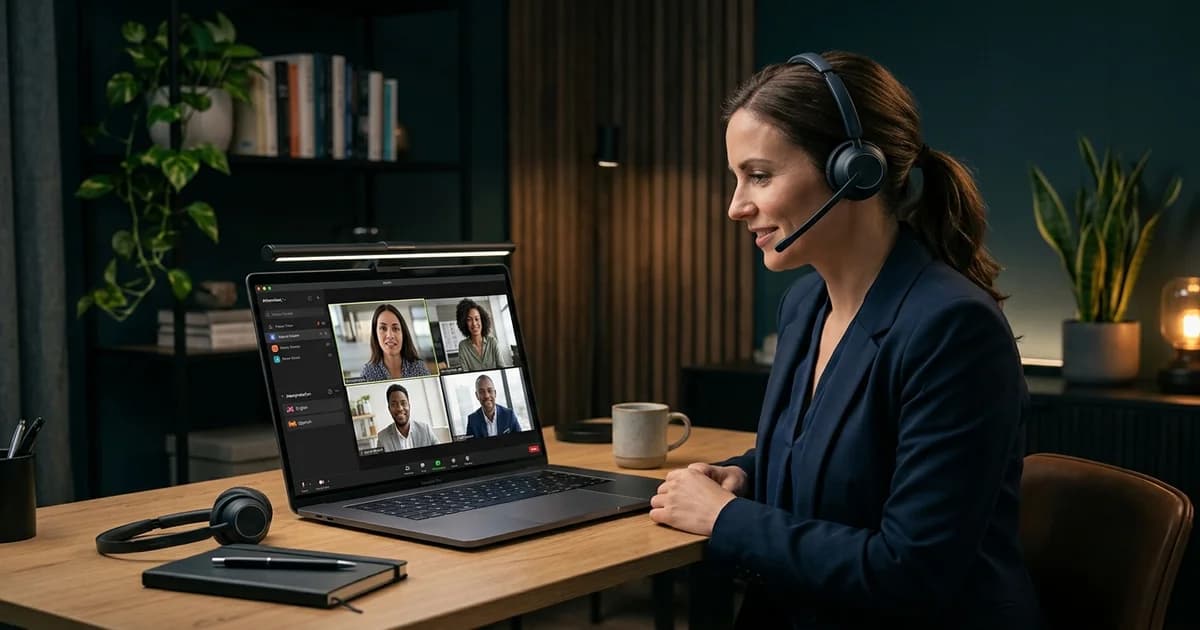
Zoom Interpretation: How to Go Beyond Zoom's Basic Feature
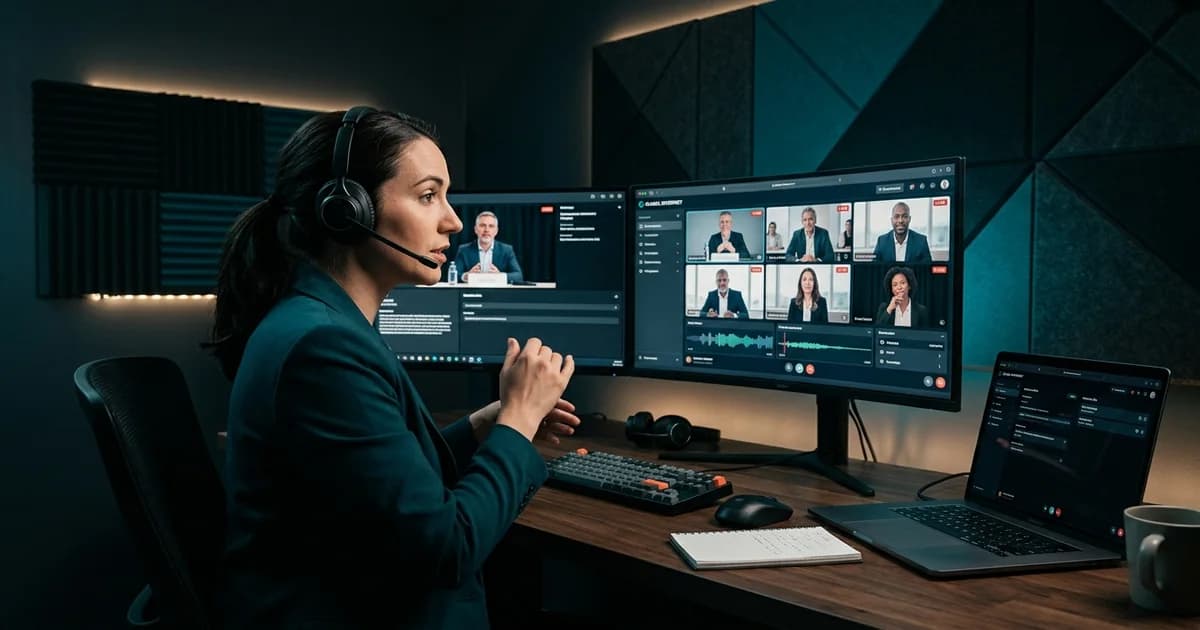
What Is Remote Simultaneous Interpretation (RSI)? The 2026 Guide
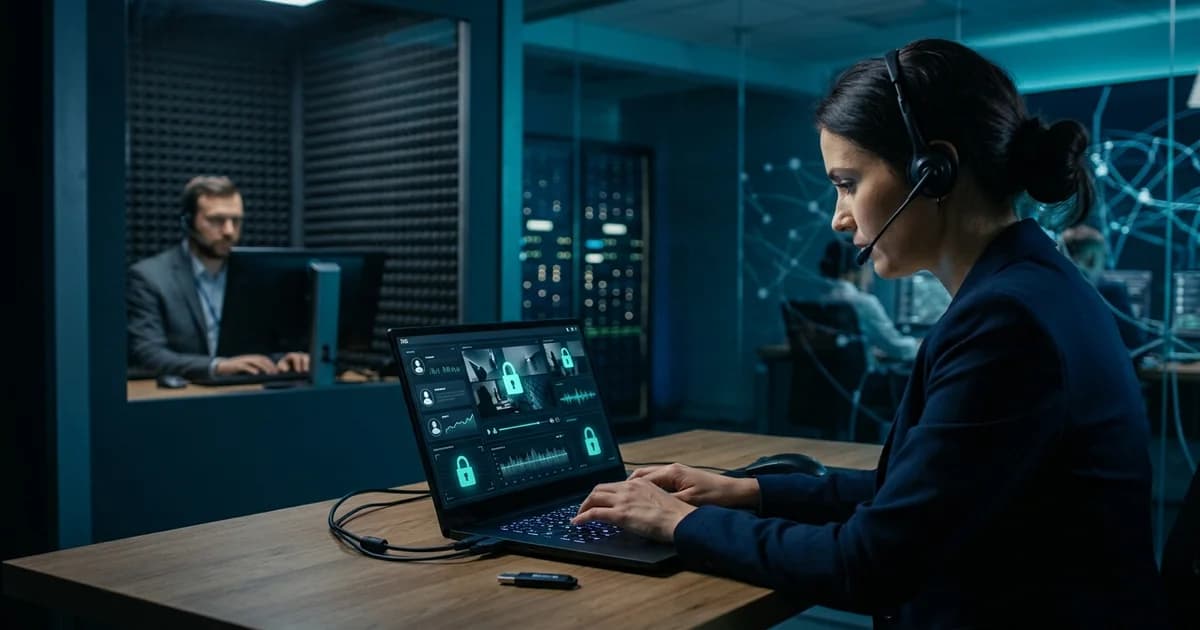
RSI Platform Security: The IT Checklist for Remote Simultaneous Interpretation
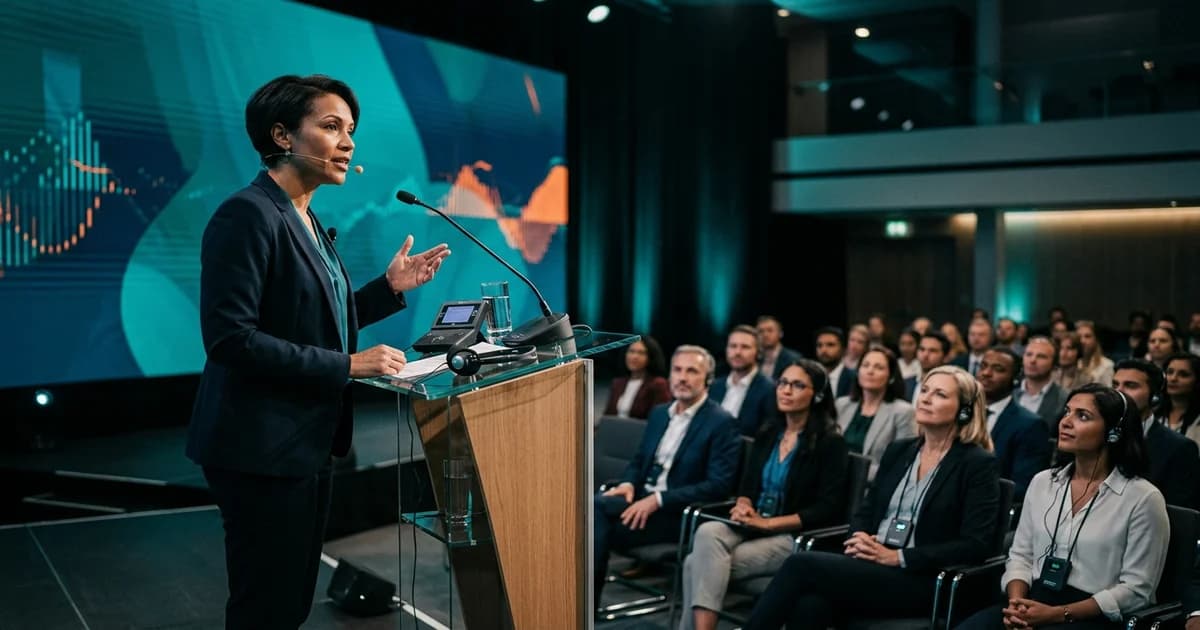
Speaker's Guide: How to Present at a Multilingual Event
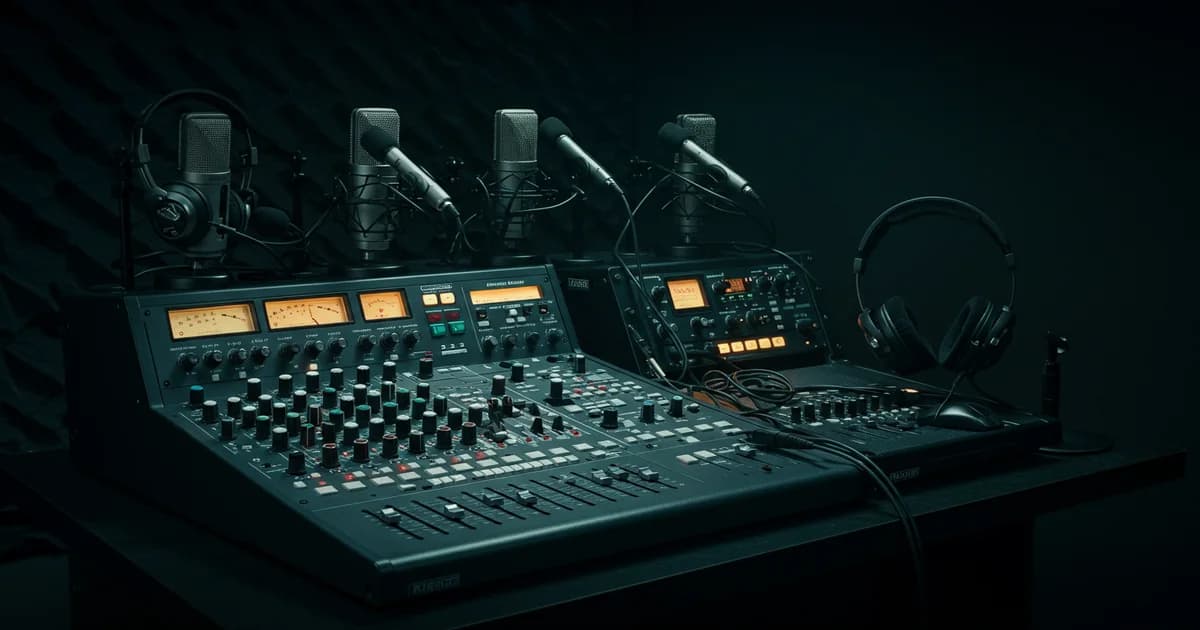
The Ultimate Technical Guide to Audio Setup for Remote Simultaneous Interpretation

How to Integrate Browser-Based Interpretation Into Your Event Tech Stack