

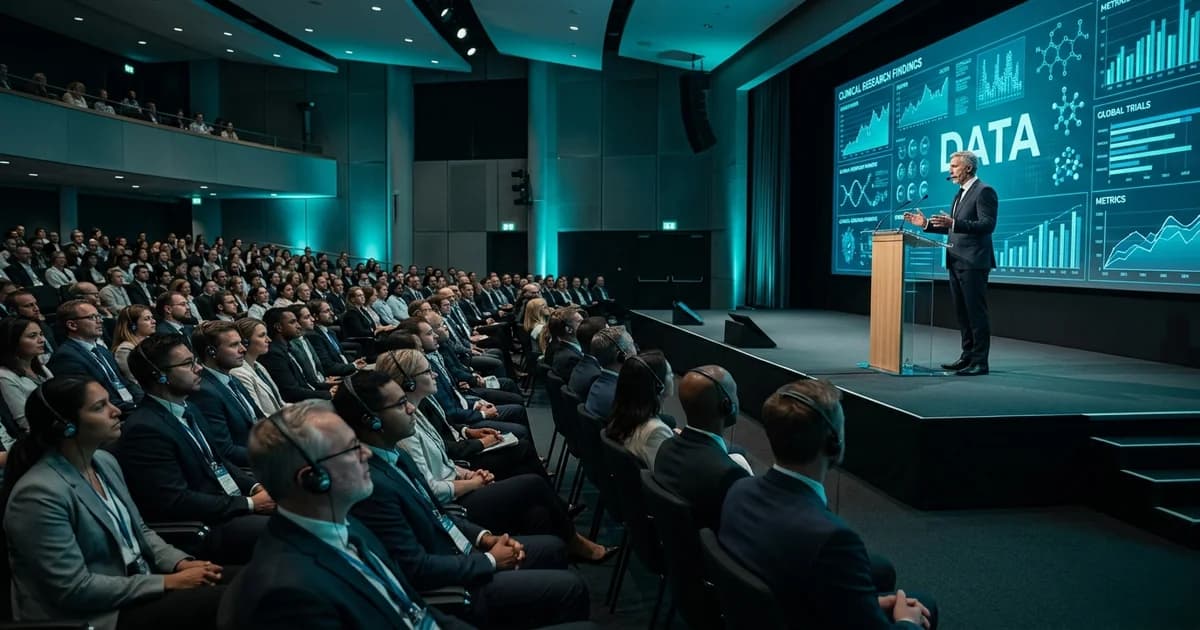
You’re planning a landmark medical congress. You’ve secured top-tier keynote speakers, the venue is booked, and registrations are pouring in from around the globe. But have you considered how your German-speaking attendees will understand a presentation on CRISPR gene editing delivered in English? Or how a French-speaking researcher will ask a nuanced question during a live Q&A session about a new oncology drug?
In the high-stakes world of medical and pharmaceutical events, communication can't just be good—it has to be perfect. A single mistranslated term could alter the understanding of a clinical trial result. A misunderstood dosage could have serious implications. This is where professional interpretation becomes one of the most critical elements of your event plan.
The global language services market is projected to grow to $97.75 billion by 2033, a clear indicator of just how vital cross-language communication has become. For medical meetings, this isn't a luxury; it's a necessity. This guide walks you through everything you need to know to deliver flawless multilingual experiences at your next medical or pharmaceutical conference.
Why Precision is Non-Negotiable in Medical Interpretation
Think about the language used in your field. Words like "myocardial infarction," "pharmacokinetics," and "intravenous immunoglobulin" are complex enough in one language. Now, imagine trying to find a real-time equivalent in Japanese or Portuguese.
This isn’t like general business interpretation. The stakes are infinitely higher.
Accuracy Can Impact Patient Outcomes: Medical knowledge is shared globally to improve health. Research presented at your conference could influence how a doctor on the other side of the world treats their patients. There is zero room for error or ambiguity. Interpreters who summarize or omit information could inadvertently filter out vital details.
Complex Terminology Requires Specialists: Professional medical interpreters aren't just bilingual; they are specialists. They spend years learning the specific vocabularies of cardiology, immunology, oncology, and other fields. They understand the context behind the terms, a skill that general interpreters—or worse, untrained bilingual staff—simply do not possess.
Regulatory and Compliance Implications: For pharmaceutical companies launching a new product or presenting clinical trial data, precision is a legal and regulatory imperative. Misinterpretation could lead to compliance issues or damage to your company's reputation.
In short, you don't just need an interpreter. You need a medical language specialist who understands the gravity of the content they are conveying.
Key Differences: Pharmaceutical vs. General Medical Conferences
While both fall under the "healthcare" umbrella, the interpretation needs for a pharmaceutical product launch and a broader medical association congress can be quite different.
Pharmaceutical Conferences:
- Focus: Often centered on specific products, clinical trial results, and market access strategies. The content is highly controlled and commercially sensitive.
- Key Challenge: Security and confidentiality are paramount. You're discussing proprietary data before it's public. Your interpretation solution must be secure and GDPR compliant, especially with a focus on the EU market.
- Interpreter Needs: You need interpreters with experience not just in the therapeutic area (e.g., cardiology) but also in the commercial and regulatory language of the pharmaceutical industry.
General Medical Conferences (e.g., association congresses, scientific symposia):
- Focus: Broader dissemination of academic research, new clinical techniques, and collaborative discussions. The audience is often more diverse, including researchers, clinicians, and students.
- Key Challenge: Scale and variety. You might have dozens of breakout sessions running simultaneously in 20+ languages, covering a vast range of topics. The logistics require a flexible and scalable solution.
- Interpreter Needs: A wider pool of interpreters specializing in numerous different medical fields is necessary. The ability to cover everything from pediatric neurology to geriatric care is essential.
For both, the rise of hybrid events—where thousands can attend in-person and tens of thousands online—adds another layer of complexity. Your interpretation plan must seamlessly serve both audiences.
Choosing the Right Interpretation: Simultaneous, Consecutive, or Whispered?
The format of your session dictates the type of interpretation you’ll need. Choosing the right one is crucial for the flow of your event.
Simultaneous Interpretation: The Conference Standard
This is the gold standard for conferences, keynote addresses, and large sessions. The interpreter listens to the speaker from a sound-proof environment (either a physical booth or a virtual one) and interprets in real-time. Attendees listen through headsets or on their own devices.
- Best for: Large audiences, keynotes, panels, and any session where you can't have constant pauses.
- Why it works: It’s seamless and doesn't interrupt the speaker's flow, making for a natural presentation experience. It's also highly scalable for multilingual events.
- Consideration: Requires specialized interpreters who work in pairs, swapping every 20-30 minutes to manage the intense cognitive load.
Consecutive Interpretation: For Interactive Sessions
In this mode, the speaker talks for a short period (a few sentences), then pauses while the interpreter conveys the message in the target language.
- Best for: Smaller, more interactive settings like Q&A sessions, one-on-one meetings, patient-doctor consultations, or small workshops.
- Why it works: It’s more conversational and allows for a personal connection. No special equipment is typically needed.
- Consideration: It effectively doubles the time of the session, making it unsuitable for presentations on a tight schedule.
Whispered Interpretation (Chuchotage): For Individuals or Small Groups
Here, the interpreter sits next to a small number of delegates (usually one or two) and whispers the interpretation to them in real-time.
- Best for: A single VIP delegate or a very small group in a larger session where the majority doesn't need interpretation.
- Why it works: It provides a personal touch without disrupting the main event.
- Consideration: It's not scalable and can be distracting to those sitting nearby.
For most medical conferences, you’ll use a combination—simultaneous for main sessions and consecutive for smaller breakouts or meetings.
Essential Tech Requirements for Flawless Medical Interpretation
The days of clunky hardware and complex setups are fading. The rise of hybrid and virtual events has accelerated the demand for flexible, software-based solutions. In fact, as of 2025, over 74% of event professionals believe hybrid models are here to stay.
Your tech platform is now as important as your interpreters. Here’s what to look for:
- 100% Browser-Based: The last thing attendees want is to download yet another app. A platform that works directly in their phone's browser removes friction. Simple QR code access at the venue or a link for virtual attendees is the modern standard.
- Integrations with Your Event Platform: Does it work with Zoom, Teams, Google Meet, or Webex? Your interpretation solution should integrate directly into the platforms you already use for virtual and hybrid events.
- High-Quality, Low-Latency Audio: Clean audio is non-negotiable. The platform must deliver crisp, clear sound to the interpreters and back to the audience with no perceptible delay.
- Live Captions/Subtitles: This is a huge accessibility win. Including live, machine-generated captions in multiple languages helps reinforce understanding and engages attendees who may be hearing-impaired or in a noisy environment.
- Scalability: Can the platform handle 50 attendees in a breakout session and 5,000 in a plenary? Ensure your chosen solution can scale to your event's needs without a drop in quality.
- Hybrid Flexibility: A modern platform should allow interpreters to work from anywhere—on-site in a booth or remotely from a professional home studio. This "hybrid interpretation" model gives you access to the best specialists globally, regardless of their location.
The right technology makes interpretation accessible and effortless for your audience, allowing them to focus on the content, not the logistics.
Vetting Interpreters: What to Look for in a Medical Specialist
The success of your multilingual event rests on the shoulders of your interpreters. A platform is just a tool; the human expertise is what delivers the meaning. So, how do you ensure you have the right people?
When working with a language services provider, ask them about their vetting process. Here’s what matters:
- Certification and Credentials: Look for interpreters with recognized certifications, such as from the National Board of Certification for Medical Interpreters (NBCMI) or equivalent international bodies. This proves they’ve passed rigorous exams on medical terminology, ethics, and standards of practice.
- Demonstrable Subject Matter Expertise: Don't just ask if they have "medical experience." Ask for specifics. Have they interpreted for an oncology conference before? Do they understand the difference between biologics and small-molecule drugs? Request references or case studies.
- Experience with Conference Formats: Simultaneous interpretation is a demanding skill distinct from other types of interpreting. Ensure your interpreters have extensive experience working in real-time at multi-day conferences.
- Preparation is Key: A professional interpreter will insist on receiving presentation materials, slide decks, and glossaries in advance. This allows them to research unfamiliar terms and be fully prepared. If a provider says this isn't necessary, it's a major red flag.
Partnering with a provider like InterpretWise, which combines a powerful, easy-to-use platform with a network of vetted, specialist medical interpreters, ensures you have both the technology and the talent needed for a successful event. If you want to ensure your message is heard—and understood—perfectly in every language, Get a Quote to see how a hybrid AI and human solution can work for you.
FAQs: Medical & Pharma Conference Interpretation
PAA: What type of interpretation is best for a conference?
For large medical and pharmaceutical conferences, simultaneous interpretation is the best choice. It allows for real-time translation without interrupting the speaker, ensuring sessions run smoothly and on schedule. Attendees listen on headsets or personal devices, creating a seamless experience for a multilingual audience.
PAA: How do you interpret a medical conference?
Interpreting a medical conference requires a combination of specialized skills and technology. First, subject matter expert interpreters are hired. Second, they are provided with presentation materials in advance for preparation. Finally, using a dedicated interpretation platform (for remote or hybrid events) or on-site booths and equipment, they deliver simultaneous interpretation to attendees in real-time.
PAA: How much does it cost to hire a medical interpreter for a conference?
The cost varies widely based on factors like the number of languages, the number of sessions, the duration of the event, and whether the interpreters are on-site or remote. Simultaneous interpreters work in pairs per language, and their rates are typically by the half-day or full-day. Remote interpretation platforms can reduce costs by eliminating travel and accommodation expenses for interpreters. For a precise budget, it's best to get a detailed quote based on your specific event needs.
PAA: Why is interpretation important in healthcare conferences?
Interpretation is crucial in healthcare conferences to ensure that life-saving research, clinical best practices, and pharmaceutical innovations can be shared and understood globally. It breaks down language barriers, allowing international experts to collaborate effectively, which accelerates medical progress and ultimately improves patient care worldwide.
Related Articles

AI vs Human Interpretation: Which Is Right for Your Event?

Conference Interpretation Cost: A Complete 2026 Pricing Breakdown
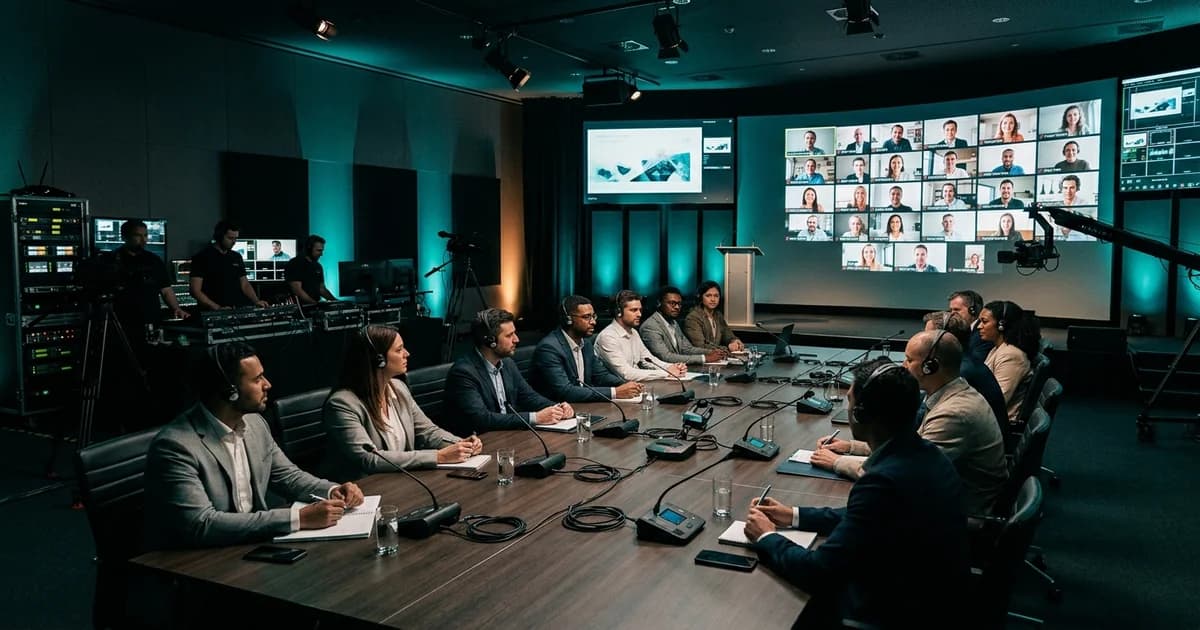
Hybrid Event Interpretation: A Complete Technical & Logistics Guide

How to Choose an Interpretation Service: 10 Critical Questions
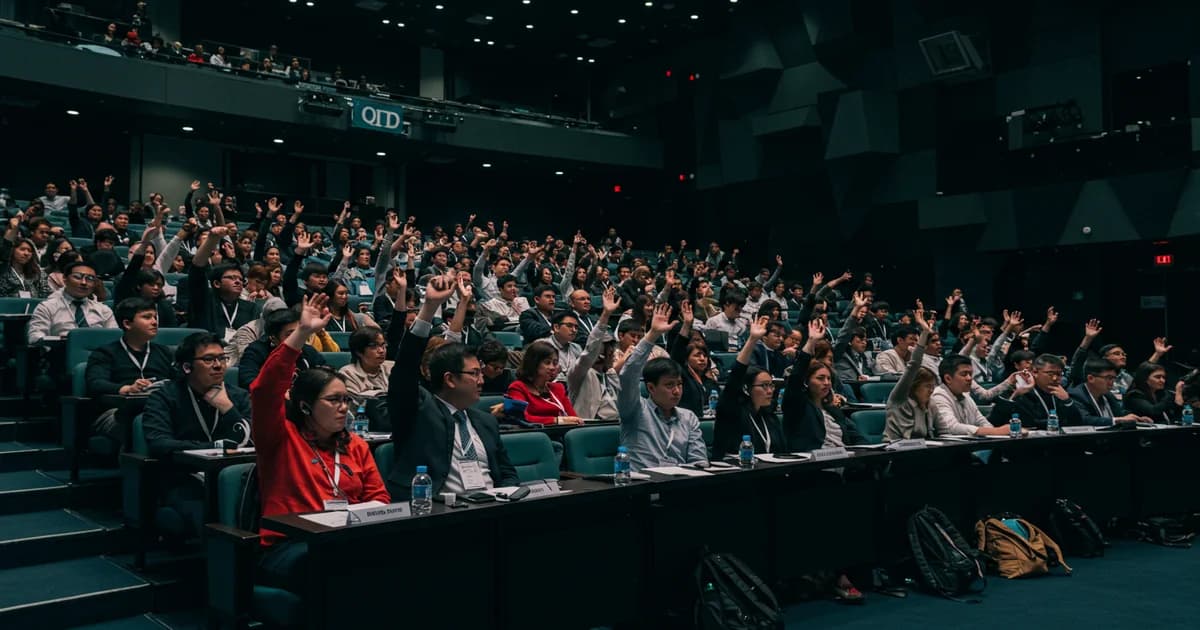
Engage Everyone: A Practical Guide to Managing Multilingual Q&A Sessions

Beyond Spanish: How Language Pair Rarity Impacts Interpretation Costs