


You've planned everything for your global conference. The speakers are confirmed, the marketing is driving registrations, and the agenda is packed. But then you hit a wall.
How will your attendees from Germany, Japan, and Brazil actually understand any of it?
Choosing the right interpretation service is one of the most stressful parts of organizing a multilingual event. The old way involved booking expensive, clunky hardware, flying in interpreters, and spending days on technical setup. Get it wrong, and you're left with confused attendees and a massive bill.
It doesn't have to be that way. Modern interpretation platforms have changed the game, but it’s created a new set of questions. AI or human? App or QR code? Zoom integration or a separate platform?
This guide cuts through the noise. We'll walk you through the ten critical questions you must ask to find the perfect interpretation service for your conference, meeting, or hybrid event.
1. How Many Languages Do You Need?
This seems basic, but it's the first filter. How many languages do you need to support simultaneously?
An internal team meeting might only need one or two languages. A large international conference, on the other hand, could require ten, fifteen, or even more. The number of concurrent languages directly impacts the complexity and cost.
Traditional hardware-based systems often have physical limits on language channels. Modern Remote Simultaneous Interpretation (RSI) platforms are far more flexible. For instance, InterpretWise can support over 20 languages at the same time for a single event.
Ask the provider:
- What's the maximum number of languages you can support at once?
- Do you charge per language, or is it a flat fee for multiple languages?
- Can you support both spoken and sign languages?
This single question will quickly separate modern, scalable platforms from more limited, legacy options.
2. What Is Your Event Format (In-Person, Virtual, Hybrid)?
Your event format is the next major decision point. The needs for a fully in-person event are totally different from a virtual or hybrid one.
- In-Person Events: Historically, this meant building soundproof booths for interpreters, renting headsets for every attendee, and having an AV team on-site for days. It's expensive and complex. Modern solutions like InterpretWise get rid of all that. Attendees simply scan a QR code on their own smartphone to access live interpretation audio. No hardware, no app download needed.
- Virtual Events: Here, the key is platform integration. Does the interpretation service work smoothly with the platform you're already using? If your event is on Zoom, you don't want to force attendees to open a separate, confusing app to get interpretation.
- Hybrid Events: This is the most complex format, blending on-site and remote audiences. The challenge is ensuring both groups get the same high-quality experience. The rise of hybrid events is a major driver for the simultaneous interpretation software market. A good hybrid solution must bridge the gap seamlessly, delivering interpretation audio to people in the room and people at home through a single, unified system.
Your choice of interpretation service must match your event's reality. Don't try to force a virtual-only tool to work for a hybrid event, or you're asking for trouble.
3. What Is Your Budget?
Let’s talk money. Budget is often the deciding factor, but it’s crucial to compare apples to apples. The cost of an "interpretation service" isn't a single line item.
Traditional Booths & Hardware:
- Interpreter fees (daily rates can be high)
- Interpreter travel, accommodation, and per diems
- Rental of soundproof booths
- Rental of hundreds or thousands of IR headsets
- On-site AV technician fees for setup and management
- Shipping and logistics for all the gear
This model can easily run into tens of thousands of euros for a multi-day conference.
Modern RSI Platforms:
Pricing models vary. Some enterprise platforms, can come with significant license fees and require managed services. They often cater to very large, complex events and their pricing reflects that.
Other platforms, especially AI-driven ones, focus on a lower-cost, high-volume model, but may not offer the nuance of human interpreters.
InterpretWise sits in a sweet spot. By ditching hardware and using a smart hybrid of AI and human interpreters, the cost is significantly lower than traditional setups and enterprise RSI platforms. You're paying for the service and the tech, not for shipping heavy boxes across Europe.
When asking for a quote, make sure you understand the total cost. Ask specifically:
- Are interpreter fees included or separate?
- Are there setup fees or technician fees?
- Is pricing based on participants, languages, or event duration?
A lower-cost platform that’s easy to use can free up budget for other parts of your event. If you're not sure where to start, you can always Get a Free Consultation to get a clear picture of the costs for your specific event.
4. Do You Need AI, Human, or Hybrid Interpretation?
This is one of the biggest questions in the industry right now. There's no single right answer—it depends entirely on your event's needs.
AI-Only Interpretation:
- Pros: It's fast, available 24/7, and much more affordable. It’s great for straightforward content, internal updates, or when you just need the "gist" of the conversation.
- Cons: AI can miss cultural nuance, sarcasm, and complex terminology. It struggles with fast speakers, strong accents, and crosstalk. For a high-stakes legal deposition or a sensitive diplomatic meeting, relying solely on AI can be risky.
The Hybrid Model (The Best of Both Worlds):
This is the approach InterpretWise uses. We combine the efficiency of AI with the critical oversight of professional human interpreters.
- How it works: AI provides a real-time base translation and live captions. A human interpreter then refines this output, ensuring accuracy, correcting nuance, and managing the flow. It’s like giving a world-class interpreter a superpower.
- Benefits: You get accuracy that rivals a fully human team but at a more efficient price point. You also get the bonus of live, AI-powered subtitles in all languages, which is a huge accessibility win. Recent research confirms that real-time transcription support reduces cognitive load and improves accuracy for interpreters.
For most business and conference use cases, the hybrid model offers the perfect balance of quality, cost, and modern features.
5. How Much Setup Time Do You Have?
Your team is busy. The last thing you need is a technology that takes a full day and a team of specialists to set up.
The old way of doing things required 4-16 hours of on-site work: building booths, testing mics, and distributing headsets. It was a logistical nightmare.
This is a key differentiator for modern RSI platforms. How fast can you go from zero to live?
- Complex Enterprise Platforms: Some solutions, like Interprefy, are incredibly powerful but can involve a more hands-on setup process, often requiring their team to generate specific event tokens and configure the integration. This offers a high degree of control but requires planning.
- The InterpretWise Way: We designed our platform for speed. Setup takes between 15-30 minutes. There are no booths to build, no hardware to configure, and no apps for your attendees to download. You connect your audio source, we generate a QR code, and you're ready to go.
This speed is a lifesaver for corporate meeting teams and event companies running back-to-back events. It means less stress, fewer technical dependencies, and one less thing to worry about on event day.
6. What Platforms Do You Use?
Your interpretation service needs to play nicely with your existing tech stack. If it doesn't integrate smoothly, you'll create a disjointed and frustrating experience for your audience.
Look for a service that explicitly lists integrations with the major event and meeting platforms.
InterpretWise integrates directly with:
- Zoom
- Microsoft Teams
- Google Meet
- Webex
- YouTube Live
This means you can add live interpretation to the platforms you already use, without needing to switch to a proprietary, walled-garden conferencing tool. Some platforms require you to use their specific interface to get all the features. InterpretWise works with what you've got.
The process is simple: you stream your event from Zoom (or another platform), we handle the interpretation, and your attendees listen on their phones via a simple web link. The QR code access is key—nobody wants to download another app they'll only use once. This is a common friction point with services that rely on a dedicated mobile app.
7. How Many Participants Will You Have?
Scalability is crucial. A solution that works for a 20-person board meeting will fall apart at a 2,000-person all-hands.
Ask about the platform's capacity.
- How many participants can listen to interpretation simultaneously?
- Have you handled events of my size before?
- Does the price change dramatically as my attendee count grows?
Some platforms may have different tiers or products based on audience size. For example offers "Connect" for up to 3000 participants and "Connect Pro" for up to 5000.
InterpretWise is built to scale flexibly, supporting events from 20 participants all the way up to 5,000+. Because our system is browser-based and doesn't rely on distributing physical hardware, scaling up is simple and cost-effective.
8. Do You Need White-Label?
For many event companies and LSPs (Language Service Providers), branding is everything. You're delivering a service to your client, and you want the technology to feel like it's your technology.
That's where white-labeling comes in.
A white-label option allows you to put your own company's logo and branding on the interpretation interface that attendees see. Instead of showing the provider's name, it shows yours. This is a powerful feature for agencies and production companies who want to offer interpretation as a core part of their services.
Not all platforms offer this. Many are focused on building their own brand. InterpretWise provides a full white-label option, enabling our partners to seamlessly integrate our world-class interpretation technology into their own client offerings.
If you're an AV company, event agency, or LSP, this question should be high on your list.
9. What Technical Support Is Included?
Even the simplest technology can have hiccups. On event day, you need to know that an expert is there to help you.
What happens if the speaker's microphone cuts out? What if an attendee can't connect?
Find out what level of support is included with your service package.
- Is it just a help-desk email, or do you get a dedicated event technician?
- Is support available 24/7?
- Will they help with pre-event setup and testing?
Some providers offer support as a paid add-on, while others include it. Enterprise-focused solutions often highlight their dedicated support teams as part of their premium offering.
At InterpretWise, we believe support is non-negotiable. Our team helps you with a technical rehearsal before the event and provides live monitoring during it. We’re with you from setup to sign-off, ensuring everything runs perfectly. If you're managing a high-profile conference, this peace of mind is invaluable. Need to discuss the support needs for your next event? Get a Free Consultation.
10. What Is the Pricing Model?
Finally, dig into the details of the pricing model. A low headline price can be misleading if it doesn't include what you actually need.
Common pricing models include:
- Per-User-Per-Month: Common for SaaS platforms, but less so for event-based services.
- Per-Event: A flat fee for a single event, often with caps on duration or attendees.
- Per-Hour / Per-Day: You pay for the amount of time you use the service.
- Custom/Enterprise Quote: A bespoke price based on a complex combination of languages, attendees, duration, and support levels.
Be wary of hidden costs. Ask directly:
- "Are there any overage charges if we go past a certain number of attendees or hours?"
- "Is there an extra fee for streaming to multiple platforms?"
- "Is the cost of live captions included or is it an add-on?"
InterpretWise offers simple, transparent pricing based on your event's specific needs, without the complex tiers and hidden fees common in the industry. Our goal is to make world-class interpretation accessible and affordable, not to surprise you with an invoice after the fact.
Making the right choice comes down to knowing your event and asking the right questions. By using this list, you'll be able to confidently compare providers and select a partner that sets your multilingual event up for success.
Frequently Asked Questions
What is the difference between RSI and traditional interpretation booths?
RSI stands for Remote Simultaneous Interpretation. It uses software to deliver interpretation audio to attendees via their own devices (like a smartphone), eliminating the need for physical booths, on-site hardware, and technicians, which drastically reduces costs and setup time. Traditional booths are soundproof enclosures where interpreters sit on-site, with their audio fed to physical headsets distributed to the audience.
How much does simultaneous interpretation cost for a conference?
Costs vary widely. A traditional setup with booths and on-site interpreters can cost tens of thousands of dollars per day. RSI platforms are more affordable, with pricing depending on the provider, number of languages, and whether you choose AI or human interpreters. AI-only services like Wordly are the cheapest, while hybrid platforms like InterpretWise offer a balance of quality and cost.
Does Zoom have built-in simultaneous interpretation?
Yes, Zoom offers a built-in interpretation feature, but it comes with limitations. It must be enabled on a licensed business account, requires pre-assigning interpreters, and doesn't offer the advanced support, captions, or hybrid AI features of a specialized platform. Many organizers use a provider like InterpretWise to integrate a more robust and flexible interpretation solution into their Zoom events.
Is AI interpretation cheaper than human interpreters?
Yes, AI interpretation is significantly cheaper than hiring professional human interpreters. However, there is a trade-off in quality and accuracy. A hybrid model, which uses AI to assist a human interpreter, can provide a cost-effective balance that maintains high quality for important business and conference settings.
What is the European Accessibility Act (EAA) and how does it relate to interpretation?
The European Accessibility Act (EAA) is an EU directive that requires many products and services to be accessible to people with disabilities, with enforcement starting in June 2025. For events and audiovisual media services, this includes providing things like live captions and subtitles, making multilingual interpretation and captioning services essential for compliance. Offering live subtitles in multiple languages, as InterpretWise does, is a key way to help meet these upcoming requirements.
Related Articles

AI vs Human Interpretation: Which Is Right for Your Event?
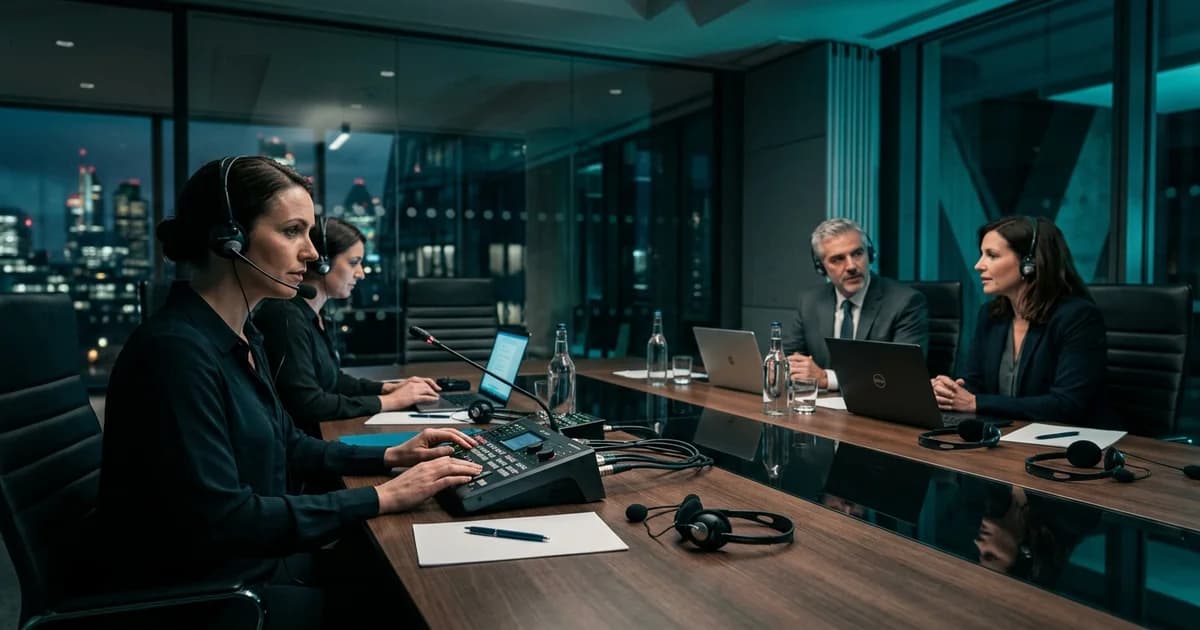
Conference Interpretation Cost: A Complete 2026 Pricing Breakdown
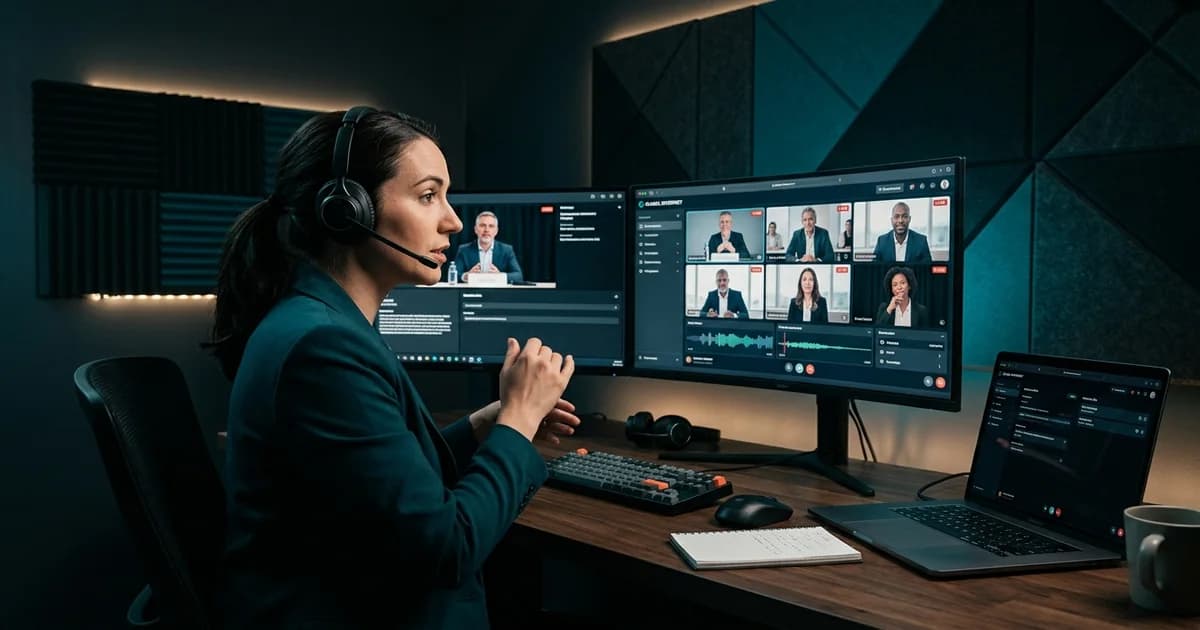
What Is Remote Simultaneous Interpretation (RSI)? The 2026 Guide

The True Cost of Interpretation Booths (And How to Cut It by 80%)
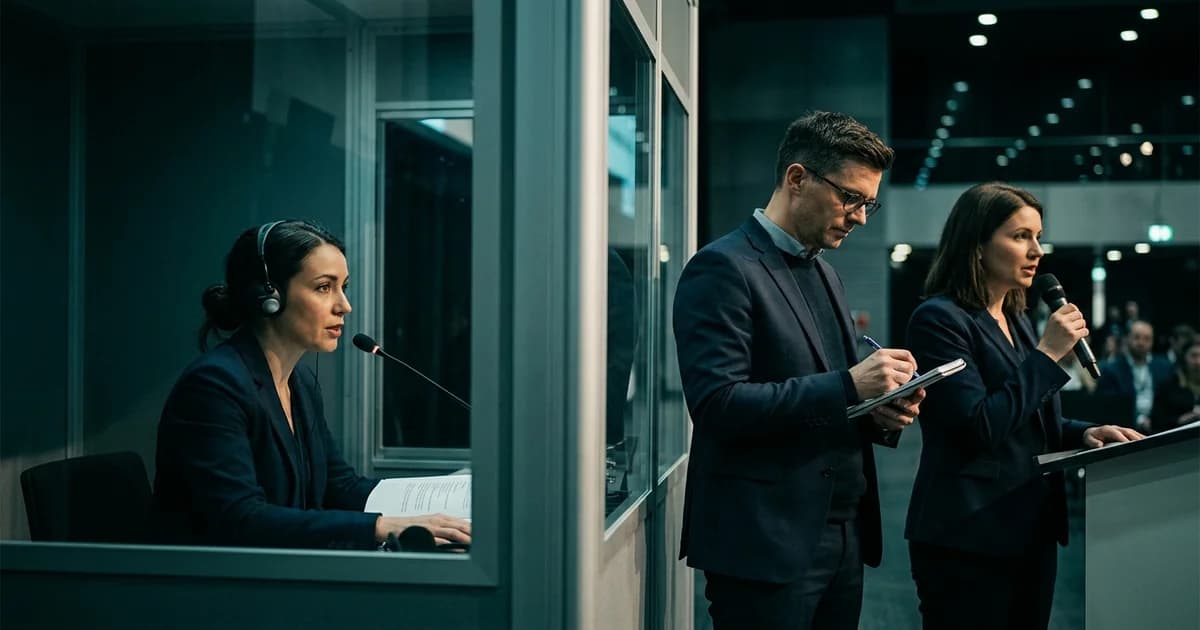
Simultaneous vs. Consecutive Interpretation: Which to Choose for Your Event?
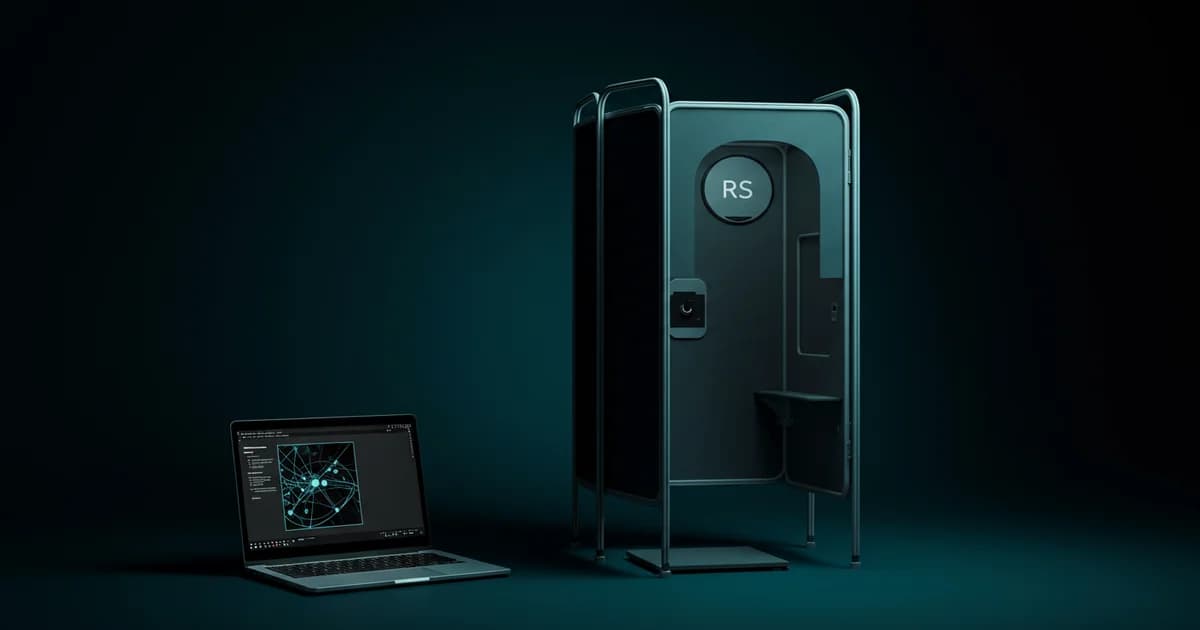
The Interpreter Shortage: How Technology Can Bridge the Gap for Event Organizers