

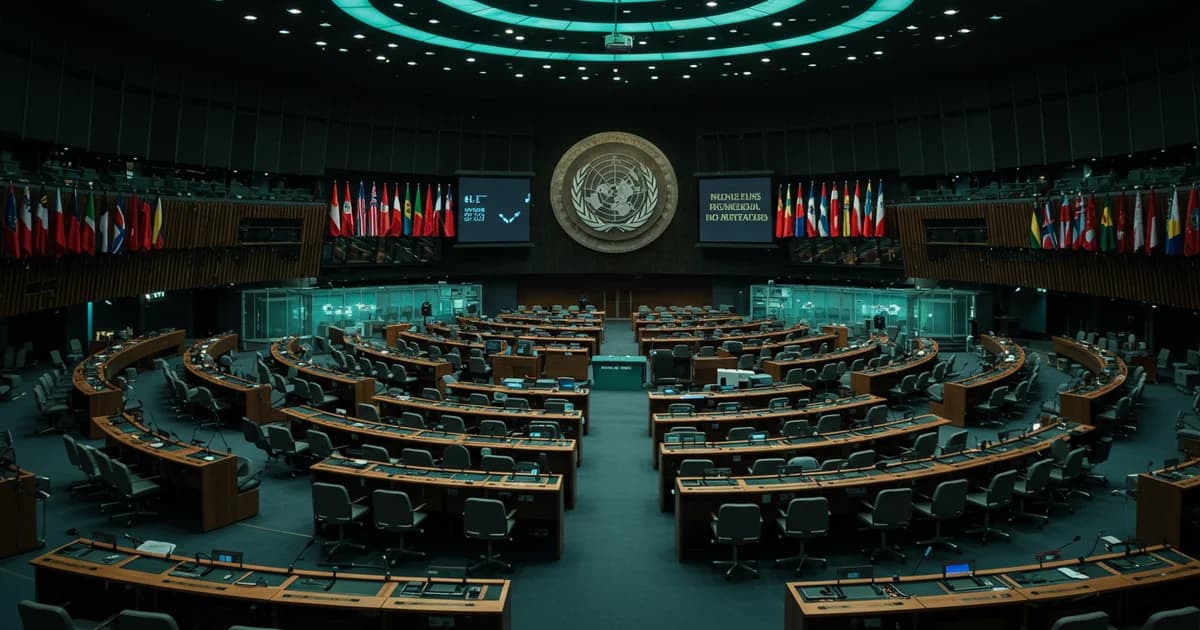
Imagine the scene: A high-stakes international summit in Geneva. A delegate is delivering a powerful speech, but your audience is global, speaking dozens of different languages. How do you ensure everyone understands every word, every nuance, in real-time? For decades, the United Nations has mastered this complex challenge, setting the global standard for multilingual communication.
But what if you could take the core principles of the UN interpretation process and apply them to your own meetings — whether it's a corporate town hall, a sensitive governmental briefing, or a global NGO summit?
You can. And you don't need a fleet of sound-proof booths or a multi-million dollar budget to do it.
The world of interpretation has changed dramatically. The same high standards that power United Nations meetings are now more accessible than ever. Let's explore the lessons learned from the UN's decades of experience and see how you can use them to make your next multilingual event a seamless success.
The Gold Standard: How the UN Ensures Top-Tier Interpretation
The United Nations is arguably the most complex language environment in the world. Its work depends on enabling clear and concise communication on issues of global importance. To achieve this, the UN has six official languages: Arabic, Chinese, English, French, Russian, and Spanish.
At any major UN meeting, you'll find a sophisticated simultaneous interpretation system at work. As a speaker talks, a team of elite conference interpreters, typically working in pairs from dedicated booths, renders their words into the other official languages simultaneously. Attendees simply select their desired language channel on a headset. The process is so smooth that it often goes unnoticed, which is the hallmark of exceptional interpretation.
This commitment to multilingualism isn't just for show. It promotes tolerance and ensures that all member states can participate fully and effectively in the UN's work, leading to better outcomes. The stakes are incredibly high in diplomatic interpretation, where a single misunderstood word could have significant consequences. That's why the UN's process is considered the gold standard for institutional language services.
Relay Interpretation Explained: How Complex Language Chains Work
What happens when you need to connect languages where a direct interpreter isn't available? For instance, finding an interpreter who can work directly from Japanese to Swahili might be difficult for a specific conference. This is where the UN and other large organizations use a fascinating technique called relay interpretation.
Think of it like a relay race for language.
Instead of a direct A-to-B translation, the message passes through an intermediary or "pivot" language, which is often English. Here’s how it works in practice at a multilingual conference:
- A delegate from Korea speaks in Korean.
- In the first booth, an interpreter listens to the Korean speaker and interprets the message into English.
- In other booths, interpreters for French, Arabic, and Spanish don't listen to the original Korean speaker. Instead, they listen to the English interpretation coming from the first booth.
- They then take that English "relay" and interpret it into their respective languages for the audience.
This entire chain happens almost instantly. The result is that the French, Arabic, and Spanish-speaking attendees hear the message in their own language, even without a direct Korean-to-French, Korean-to-Arabic, or Korean-to-Spanish interpreter in the room. Relay interpreting is a demanding skill, as the second set of interpreters depends entirely on the accuracy of the first "pivot" interpretation. It’s a powerful solution that makes massive, multilingual events with rare language combinations possible.
The Rigorous Training and Preparation of a UN Interpreter
Becoming a United Nations interpreter is an incredibly challenging and rewarding career path. It takes far more than just being bilingual; it requires a rare combination of linguistic mastery, mental agility, and deep subject-matter expertise.
The requirements are famously strict. A candidate must have perfect command of one of the six official UN languages. Interpreters for English, French, Russian, and Spanish must also have an excellent understanding of two other official languages. For Arabic and Chinese interpreters, a perfect command of English or French is required. Many successful candidates have a degree from a recognized school of interpretation.
Candidates must pass the highly competitive UN interpreter exam, which tests their ability to handle speeches of increasing difficulty and speed. But the preparation doesn't stop there. A UN interpreter is expected to be a master of the specific terminology used within the organization — a dialect sometimes called "UNese". They must stay constantly informed on global current events, politics, human rights, and finance to handle the diverse topics of discussion.
Interpreters typically work in teams of two or three, rotating every 20-30 minutes to manage the intense cognitive load of simultaneous interpretation. This rigorous process ensures that every word spoken in a high-level meeting is conveyed with precision and cultural nuance, maintaining the integrity of multilingual diplomacy.
Applying UN Principles to Your Corporate or Governmental Meeting
So, how can you bring this UN-level quality to your own organization? You don't need to be a diplomat to benefit from these core principles. Whether you're a corporate team connecting with global offices, an LSP serving diverse clients, or a government agency engaging with a multilingual population, the pillars of success are the same: quality, preparation, and the right technology.
- Prioritize Quality: The UN's core principle is that language should never be a barrier to understanding. For your meetings, this means moving beyond "good enough" solutions. A glitchy, inaccurate, or hard-to-use system can cause frustration, disengagement, and miscommunication — undermining the entire purpose of your event.
- Empower Your Speakers and Interpreters: UN interpreters receive documents and speeches in advance whenever possible. You should do the same. Providing your interpreters with glossaries, presentations, and speaker notes ahead of time allows them to prepare, ensuring they're familiar with your specific terminology and context.
- Make Access Simple: The UN system works because it's easy for attendees. They put on a headset and choose a channel. For your modern hybrid or virtual events, the access should be even simpler. Think QR codes instead of app downloads. The less friction for your attendees, the better the experience.
This is exactly where a platform like InterpretWise comes in. It’s designed to bring that UN-level simplicity and quality to everyone. It's a 100% browser-based platform — no hardware needed — that lets you set up a multilingual meeting in minutes. With features like QR code access for attendees and integrations with Zoom, Teams, and Google Meet, you can apply these global standards without the complexity.
How Technology is Modernizing Even the Most Traditional Interpretation Workflows
For decades, the image of conference interpretation was the sound-proof booth at the back of the room. But technology, accelerated by the global shift to remote work, has dramatically reshaped the industry.
The rise of Remote Simultaneous Interpretation (RSI) platforms has been a major trend. Even before the pandemic, organizations like the World Bank were using remote interpreting. However, the global health crisis made RSI a necessity, forcing institutions like the UN to adapt quickly to virtual and hybrid formats. In December 2020, the UN even put out a request for "qualified providers" of RSI services, signaling a long-term commitment to this technology.
Looking ahead to 2026, the language services industry is projected to continue its strong growth, with the market size expected to reach over $65 billion. This growth is powered by key trends:
- AI + Human Hybrids: The future isn't about AI replacing interpreters, but empowering them. AI tools are now used to streamline terminology management and provide real-time assistance, allowing human interpreters to focus on the nuance, cultural context, and tone that machines can't replicate.
- Hybrid Events are the Norm: Hybrid events, combining in-person and virtual attendees, are now standard. Modern interpretation platforms are built for this reality, integrating directly with event AV systems and web conferencing tools to provide a seamless experience for everyone, everywhere.
- Accessibility on Any Device: The focus has shifted to attendee convenience. Instead of clunky hardware, participants can now access live interpretation directly on their smartphones or laptops simply by scanning a QR code — with no app download required.
Platforms like InterpretWise are at the forefront of this evolution. Our hybrid model allows you to choose between world-class human interpreters or cutting-edge AI interpretation for each session. Because it's 100% browser-based and integrates with all major meeting platforms, you can deliver a scalable, secure, and user-friendly experience for audiences from 20 to 5,000+. Why not Start a Free Trial and see how simple UN-level interpretation can be?
FAQs: Learning from UN-Level Interpretation
How much do UN interpreters get paid?
Salaries for UN interpreters vary based on contract type and experience. A professional-level (P-3) contract in New York, for example, could have a salary range between approximately $131,000 and $171,000 USD per year. Freelance rates are calculated based on daily or monthly scales.
What are the 6 UN languages for interpreters?
The six official languages of the United Nations are Arabic, Chinese, English, French, Russian, and Spanish. Interpretation and translation services are provided for all of these languages to ensure effective communication during meetings.
How hard is it to be a UN interpreter?
It is extremely difficult. The process is highly competitive and requires more than just language fluency. Candidates need a university degree, often from a specialized interpretation school, must pass a rigorous exam, and possess deep knowledge of world affairs and specialized subjects. The work itself is mentally demanding, requiring intense concentration and the ability to handle various accents and high-pressure situations.
How does simultaneous interpretation work at the UN?
At UN meetings, interpreters work in sound-proof booths, one for each official language. They listen to the speaker through headphones and simultaneously render the speech into their target language via a microphone. Attendees wear headsets and can select the channel for the language they wish to hear. To manage the high cognitive load, interpreters usually work in pairs and switch every 20 to 30 minutes.
Related Articles
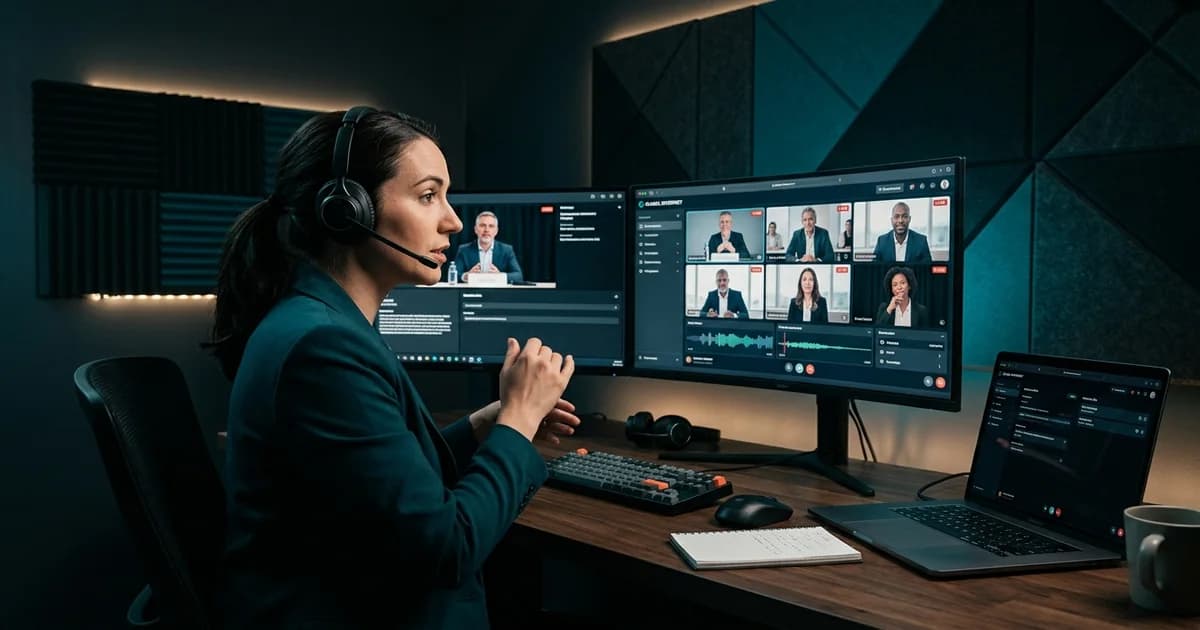
What Is Remote Simultaneous Interpretation (RSI)? The 2026 Guide
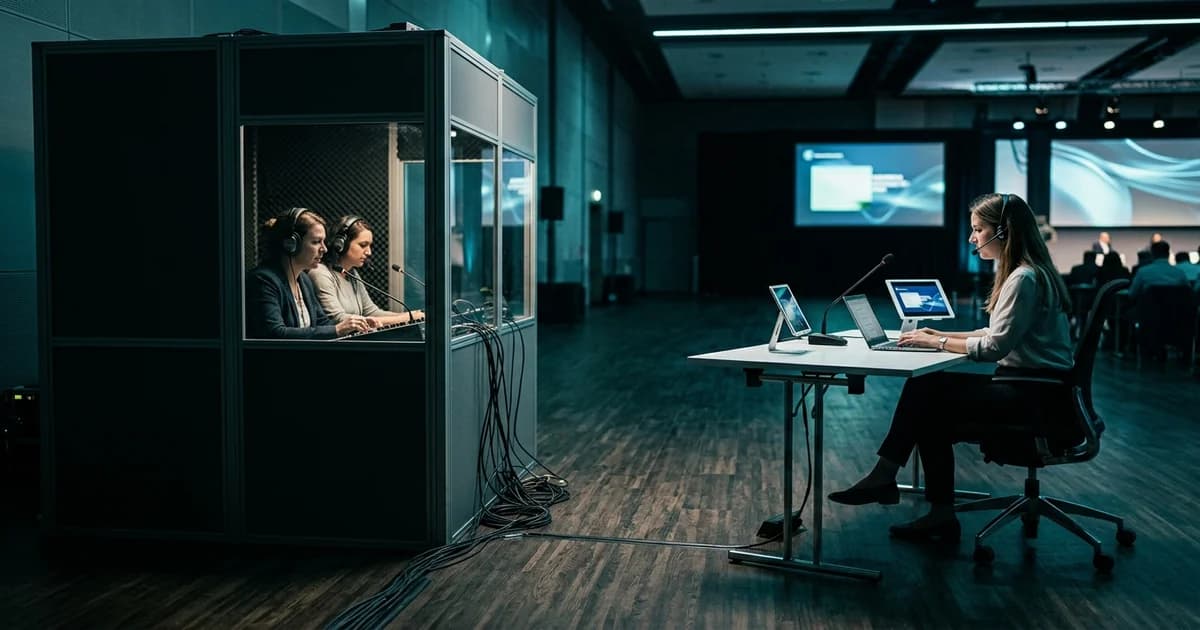
The True Cost of Interpretation Booths (And How to Cut It by 80%)

How to Choose an Interpretation Service: 10 Critical Questions
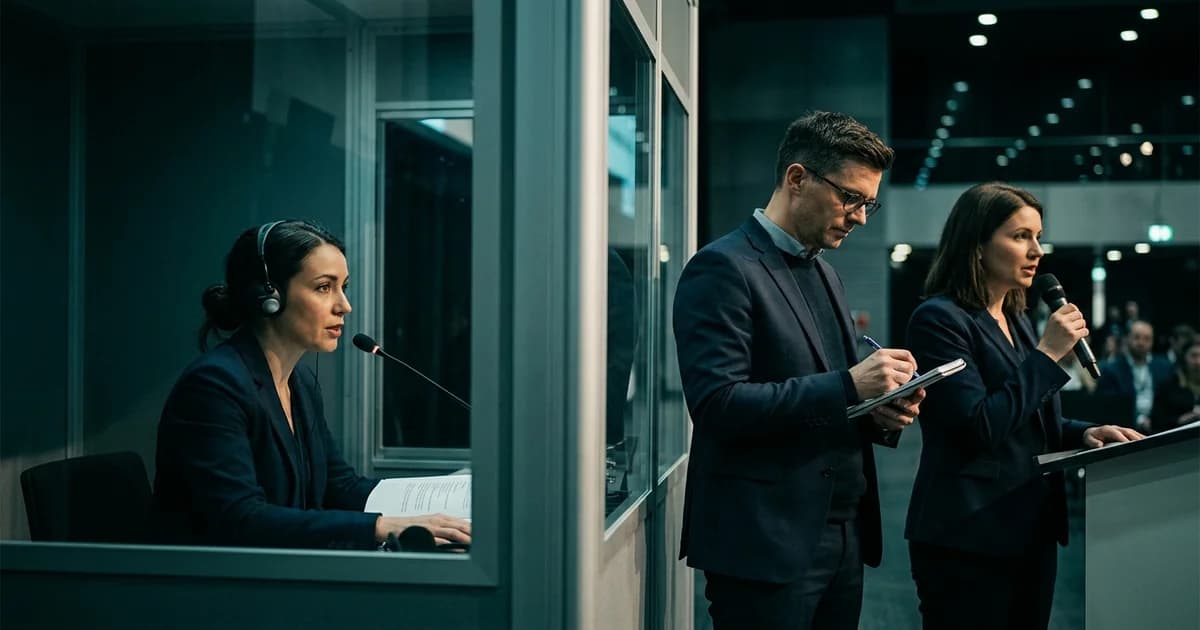
Simultaneous vs. Consecutive Interpretation: Which to Choose for Your Event?
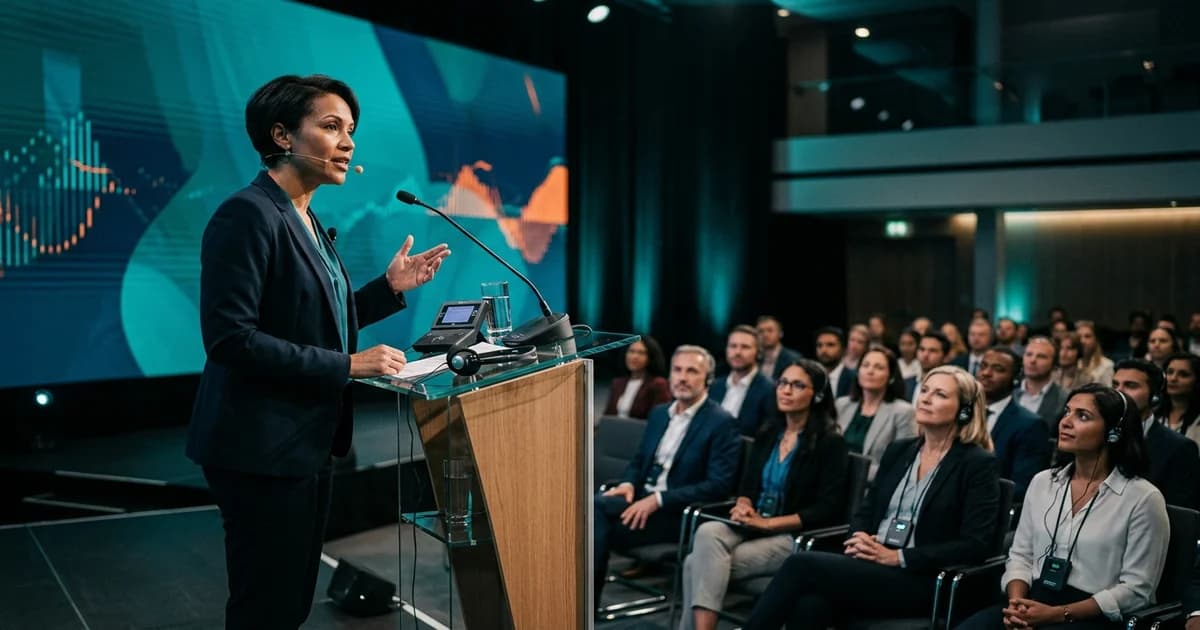
Speaker's Guide: How to Present at a Multilingual Event
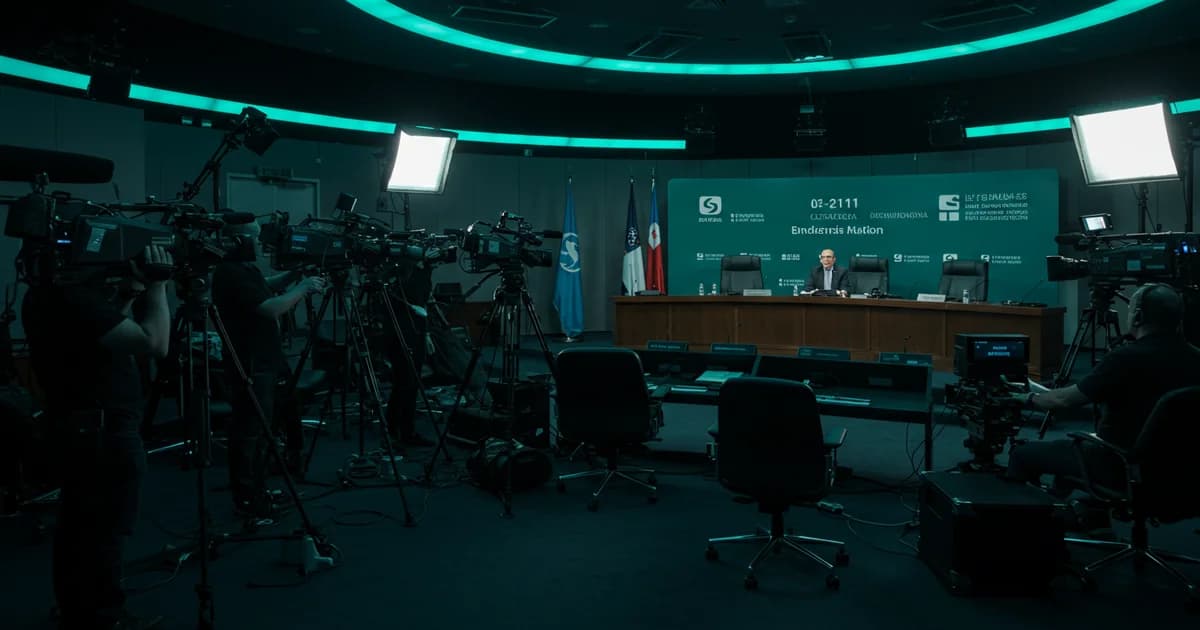
Press Conferences for a Global Audience: An Interpretation Checklist
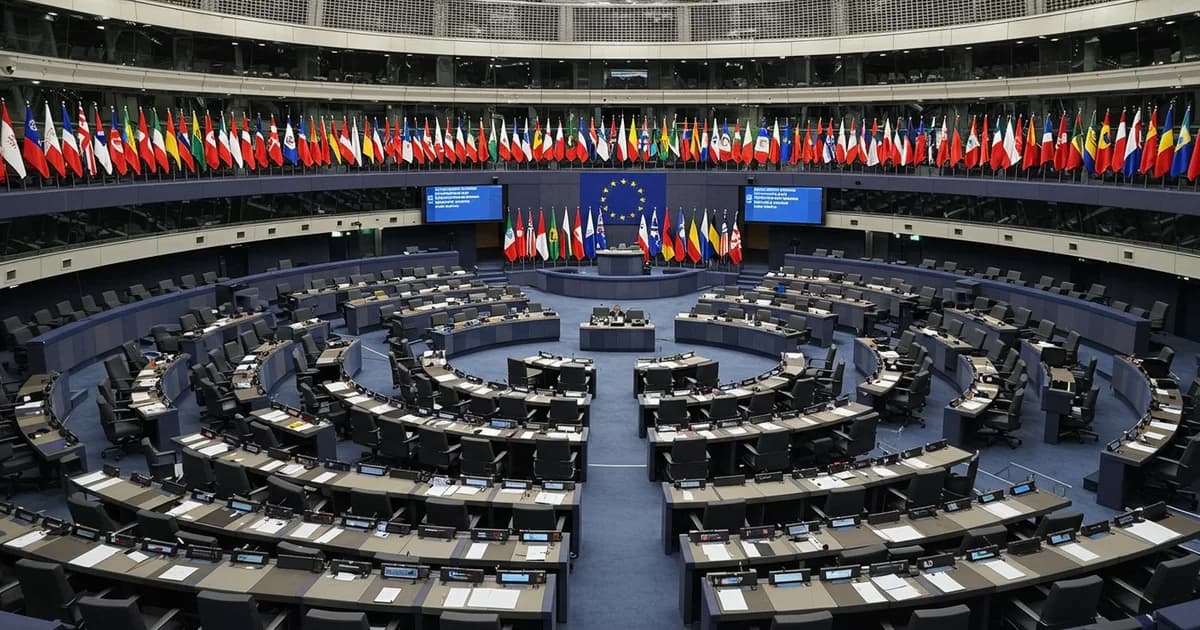
InterpretWise for European Institutions: GDPR Compliance and EU-Focused Solutions