

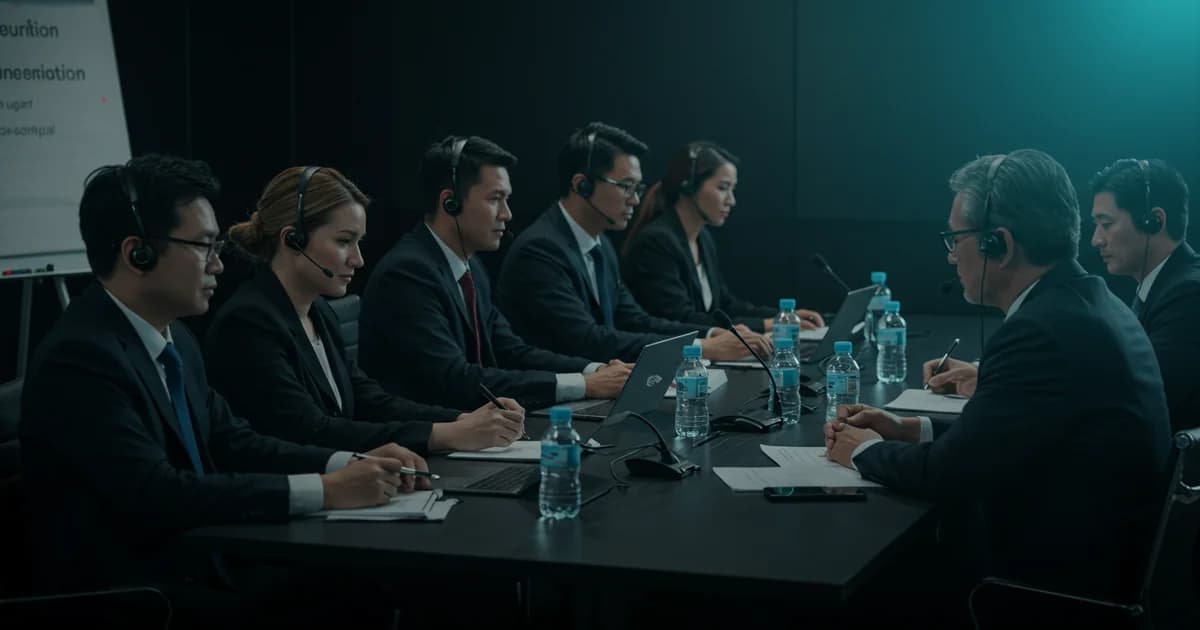
You’ve meticulously planned your corporate event. The speakers are inspiring, the agenda is packed, and the venue is top-notch. But as your global team settles in, a crucial question arises: Does everyone truly feel welcome? If attendees can't understand the content in their native language, are they genuinely included?
This isn’t just about logistics; it’s about belonging. For any organization serious about Diversity, Equity, and Inclusion (DEI), language access can't be an afterthought. It's a fundamental pillar of a successful and respectful corporate event strategy. In a world where 62% of corporate employees have colleagues from three or more cultures, creating an environment where everyone feels seen and heard is paramount.
Let's explore why language access is so critical for DEI and how you can move from intention to impactful action at your next event.
What is Language Inclusivity and Why Does It Matter for DEI?
Language inclusivity means ensuring that everyone can participate in a conversation or event, regardless of the language they speak. It goes beyond just translating a few slides. It's about creating an experience where every attendee feels respected, valued, and psychologically safe.
When you prioritize language, you're directly impacting your DEI goals. Why? Because language is deeply tied to identity and culture. Forcing everyone to communicate in a single language — typically English — can create an immediate power imbalance. Non-native speakers may hesitate to share ideas, ask questions, or network effectively, not from a lack of knowledge, but from a lack of comfort. This can lead to feelings of isolation and exclusion.
The business case is just as compelling. Research shows that companies embracing linguistic diversity see tangible benefits. One report found that engaging employees in their native languages can increase job satisfaction by up to 50%. Furthermore, organizations with strong language diversity programs report 29% higher employee satisfaction and 19% lower turnover rates. When people feel they belong, they engage more deeply, contribute more freely, and are more likely to stay.
Moving Beyond Tokenism: Authentic Steps to Welcome a Global Audience
True inclusivity is more than just a checkbox on a planning list. It’s about taking authentic, deliberate steps to make your global audience feel genuinely welcome. So, how do you move beyond token gestures and create truly inclusive events?
First, start with your planning committee. A diverse team is more likely to anticipate the needs of a diverse audience, from cultural nuances to religious holidays that might conflict with scheduling.
Next, think about your speakers. A lineup of exclusively white, male, English-speaking presenters sends a powerful—and negative—message. Actively seek out a diverse range of voices and perspectives to ensure your content resonates with a global audience.
Communication before the event is also key.
- Use clear, simple language: Avoid jargon, acronyms, and culturally specific idioms that can be confusing for non-native speakers.
- Provide materials in advance: Sending out presentations and agendas ahead of time gives attendees a chance to review them at their own pace.
- Ask about needs: Use your registration form to ask attendees if they require accommodations, such as interpretation or translated materials. This proactive approach shows you care and allows you to plan effectively.
For the event itself, consider the format. A mix of presentation styles—like panel discussions, interactive workshops, and Q&A sessions—can cater to different learning and communication preferences. And for hybrid or virtual events, technology becomes your best friend. Offering features like live-captioned streams ensures that your remote attendees are just as included as those in the room.
The Psychological Impact: Fostering Belonging Through Native Language Access
Have you ever been in a social setting where everyone is speaking a language you don't understand? You might feel isolated, invisible, or even anxious. That same feeling can permeate a corporate event, undermining its very purpose. The ability to understand and communicate in one's native language is directly linked to a sense of belonging.
Studies consistently show the positive effects of an inclusive environment.
- Increased Engagement: Companies that actively promote inclusive language have seen a 30% increase in employee engagement.
- Higher Retention: A global HR consultancy found that organizations embracing linguistic diversity experienced a 22% increase in employee retention.
- Improved Performance: Diverse and inclusive teams are reported to be 35% more likely to outperform their competitors.
When you provide live interpretation, you're not just translating words; you're sending a powerful message: "We value you. Your voice matters here." This fosters psychological safety, empowering attendees to contribute their unique insights without the cognitive load of navigating a second language. It levels the playing field, allowing for more authentic collaboration and innovation. The result is a more dynamic, engaging, and productive event for everyone.
Practical Checklist: Integrating Language Services into Your DEI Strategy
Ready to make your next event more inclusive? It's easier than you might think. You don't need complicated hardware or a massive budget. Modern platforms like InterpretWise are 100% browser-based, allowing you to set up simultaneous interpretation for 20+ languages in under 30 minutes. Attendees simply scan a QR code to access live audio in their preferred language.
Here's a practical checklist to guide you:
Before the Event:
- [ ] Survey Your Audience: Ask about language preferences during registration.
- [ ] Budget for Accessibility: Allocate funds for language services just as you would for catering or a venue.
- [ ] Brief Your Speakers: Encourage them to speak clearly and at a moderate pace, and to verbally describe visual materials.
- [ ] Choose the Right Tech: Select a platform that is easy for both you and your attendees to use. Look for features like QR code access, live captions, and integrations with tools you already use (like Zoom or Teams).
During the Event:
- [ ] Offer Live Interpretation: Provide real-time, simultaneous interpretation for all main sessions and breakouts.
- [ ] Include Live Subtitles: Captions benefit everyone, including those who are hard of hearing and non-native speakers who may want to read along.
- [ ] Use Clear Signage: Ensure all event signage uses simple language and universally understood icons.
- [ ] Provide Multilingual Support Staff: If possible, have staff on hand who can answer questions in multiple languages.
After the Event:
- [ ] Share Translated Materials: Make recordings and presentation decks available in multiple languages.
- [ ] Gather Feedback: Ask attendees about their experience with the language support provided and use that input to improve future events.
By following these steps, you can create a truly global and inclusive experience that aligns with your company's DEI values.
Measuring Success: How to Gauge the Inclusivity of Your Events
How do you know if your efforts are making a difference? Measuring the success of your DEI language inclusion initiatives requires looking beyond simple attendance numbers.
Start by analyzing your post-event feedback surveys. Ask specific questions about the language support provided.
- Did attendees use the interpretation or captioning services?
- On a scale of 1-5, how did language accessibility affect their sense of belonging?
- Did they feel comfortable participating in Q&A sessions and networking?
Look at engagement metrics. Did you see an increase in questions or comments from non-native speakers compared to past events? Analyze the chat logs from virtual sessions to see if a wider range of participants contributed to the conversation.
You can also track longer-term metrics. Correlate event attendance and feedback with employee engagement scores and retention rates for global teams. A positive trend can indicate that your inclusive event strategy is contributing to a stronger, more connected workplace culture. Inclusive cultures don't just happen; they're built through consistent, thoughtful actions. If you're ready to make your global events more accessible and welcoming for every single attendee, consider what a platform like InterpretWise could do for you. Why not start with a free trial and see the difference for yourself?
FAQs: DEI and Language at Corporate Events
PAA: Why is language important for inclusion?
Language is fundamental to inclusion because it's deeply connected to a person's identity and culture. When people can't communicate or understand proceedings in their native language, it can create feelings of isolation and prevent them from fully participating, which undermines the goal of an inclusive environment.
PAA: How can I be more inclusive with language?
You can be more inclusive by using gender-neutral terms, adopting person-first language, and avoiding jargon or idioms that may not translate well. For events, providing resources like live interpretation and multilingual captions ensures that attendees can engage with the content in the language they are most comfortable with.
PAA: What are the best practices for creating an inclusive event?
Best practices include forming a diverse planning committee, selecting a representative speaker lineup, and ensuring the venue is physically accessible. It also involves communicating clearly before the event, offering accommodations like sign language or language interpretation, and providing a mix of content formats to suit different preferences.
PAA: How do you promote diversity and inclusion at an event?
Promote DEI by showcasing it in your event programming with a diverse range of speakers and topics. Use inclusive marketing materials and offer accessibility options like scholarships, flexible attendance (hybrid options), and language support to remove barriers to participation.
PAA: How do you accommodate language differences in a meeting?
You can accommodate language differences by establishing a common language for the meeting while also providing support for those who are not fluent. Using a real-time interpretation platform is a highly effective way to allow everyone to listen and speak in their preferred language simultaneously. Including live captions can also provide crucial support.
Related Articles
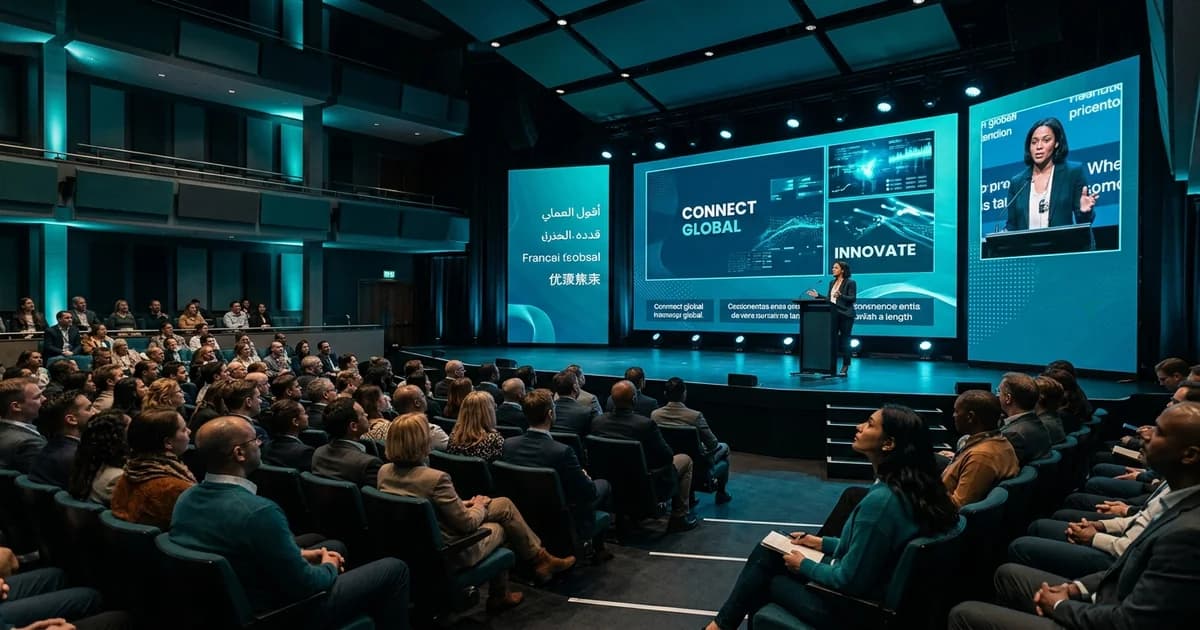
Live Subtitles for Events: The Complete Guide (2026)
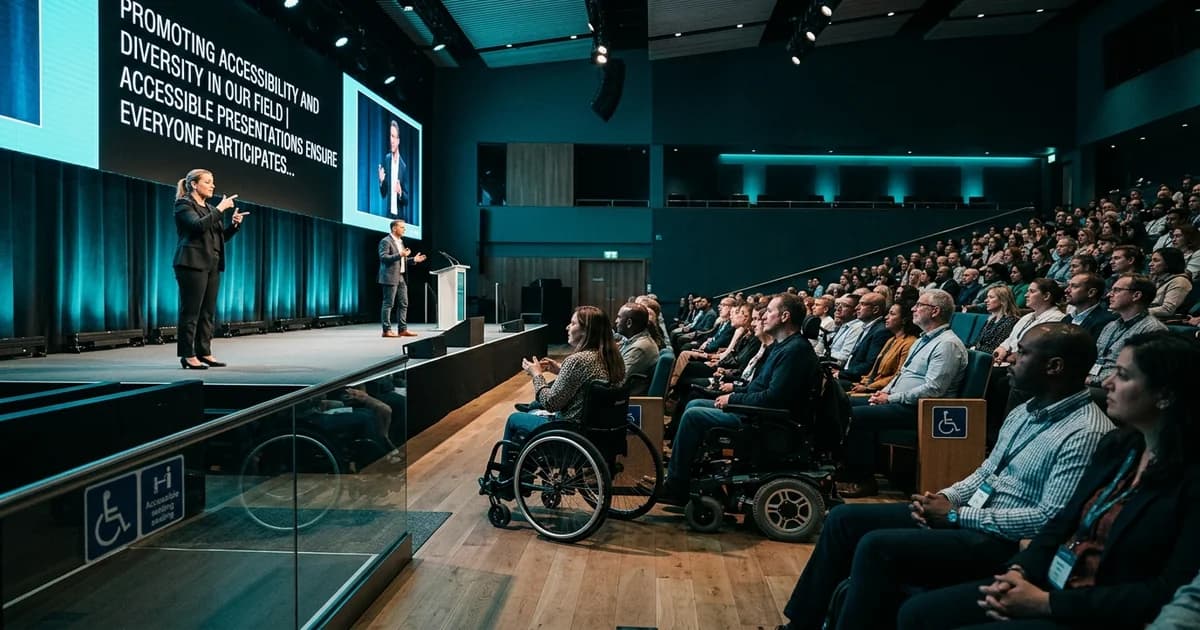
Event Accessibility & EAA 2025: How Live Interpretation Meets Compliance

How to Calculate the ROI of Your Multilingual Event
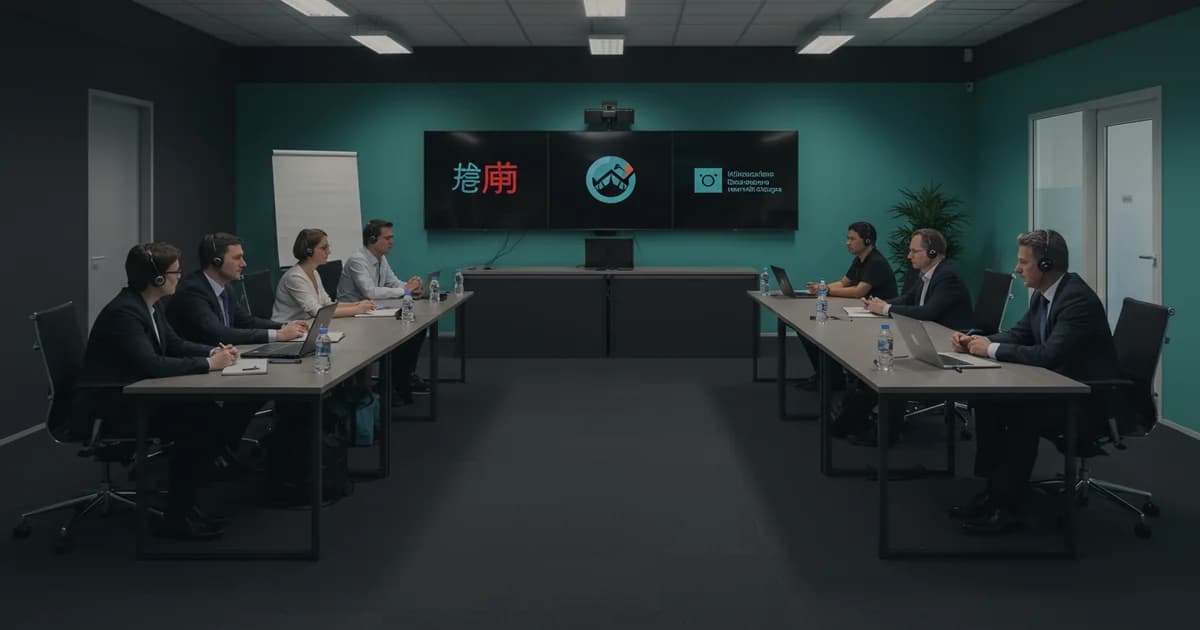
Beyond the Basics: How to Run a Truly Inclusive Multilingual Town Hall
Live Captions and WCAG 2.2: A Guide to Making Your Events Accessible and Compliant

From Hire to Hero: How to Structure a Multilingual Employee Onboarding Program
Developing a Corporate Language Access Policy: A Framework for Global Companies